





Introduction to Artisan Sourdough Bread
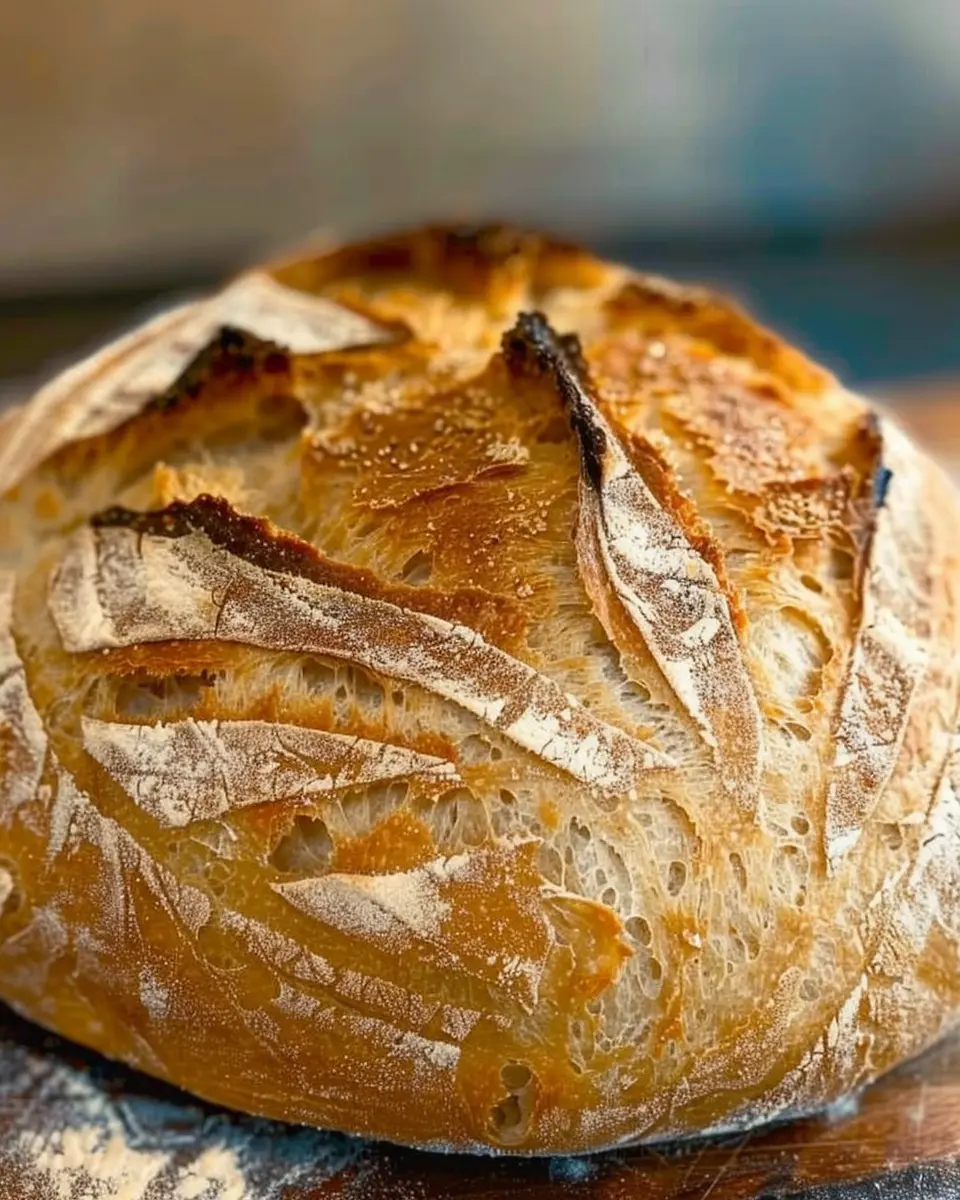
Artisan sourdough bread is more than just a loaf; it’s an art form that brings together tradition, patience, and a touch of science. If you’ve ever bitten into a crispy crust with a chewy interior, airy holes, and a slight tang, then you’ve savored the magic of sourdough. So, why should you dive into baking your own?
Why Artisan Sourdough Bread?
-
Flavor Diversity: Unlike commercial bread, which can be bland and uniform, artisan sourdough boasts a complex flavor profile. The wild yeast and bacteria naturally present in sourdough starter contribute to its taste, giving you that unique tang that’s hard to replicate. It’s all about fermentation — in fact, studies show that fermentation can enhance the taste and nutritional value of bread (source: American Society of Baking).
-
Health Benefits: Artisan sourdough is often easier to digest than conventional bread. The fermentation process breaks down gluten and phytates, making nutrients more available. Plus, it’s often lower in glycemic index, which might be a better choice for those watching their blood sugar levels (source: Nutritional Science Journal).
-
Creative Outlet: Baking sourdough can be immensely satisfying. It’s not just about following a recipe; you’re creating something tangible, nourishing, and delicious. The chance to experiment with various flours, flavors, and techniques can engage your culinary creativity like never before. Have you ever tried adding herbs or spices to your dough?
-
Connection to Community: Sharing freshly baked sourdough with friends and family can transform any meal into a memorable moment. It’s a conversation starter, and who doesn’t appreciate a warm loaf of bread as a gift?
If you’re intrigued and ready to roll up your sleeves, our Artisan Sourdough bread recipe will guide you through the process, providing tips and tricks to ensure your first bake is a success. Whether you’re a newbie or an experienced baker, this recipe can redefine your kitchen endeavors. Ready to take the leap? Let’s get started!
Ingredients for Artisan Sourdough Bread
Essential Ingredients
When embarking on your artisan sourdough bread recipe, the right ingredients are your best friends. Here’s what you’ll need to create that perfectly crusty, flavorful bread:
- Bread Flour: This high-protein flour is crucial for that chewy texture. Aim for at least 12-14% protein content.
- Water: Use filtered or bottled water to ensure purity and avoid unwanted flavors.
- Salt: A key player, salt not only enhances flavor but also strengthens gluten.
- Sourdough Starter: Your trusty fermentation agent! A healthy, active starter is essential for that tangy flavor and rise.
Optional Ingredients for Customization
What’s a recipe without a little room for personalization? Consider these optional additions to tweak your artisan sourdough bread recipe:
- Seeds: Flax, sunflower, or sesame seeds can add texture and nutrition.
- Herbs: Fresh or dried herbs like rosemary or thyme can bring a fragrant twist.
- Add-ins: Think about mixing in olives, sun-dried tomatoes, or even cheese for added depth.
Feel free to explore articles on baking techniques or sourdough science to delve deeper into these ingredients. Your perfect loaf is just a mix away!
Step-by-Step Preparation of Artisan Sourdough Bread
Baking artisan sourdough bread at home may seem intimidating, but it’s a rewarding process that offers delicious results. Whether you’re a novice baker or an experienced foodie, following this guide will lead you through each important step of your artisan sourdough bread recipe. Let’s dive into the world of sourdough!
Prepare Your Active Sourdough Starter
The first step in your artisan sourdough bread recipe is to ensure you have an active sourdough starter. If you don’t have one yet, creating a starter can take up to a week. However, if you have an established starter, feed it 4-6 hours before you plan to bake. Observe its bubbly texture and rises to confirm it’s ready. For detailed guidance on cultivating your starter, check out King Arthur Baking.
Mix the Dough
Now, let’s blend our ingredients! In a large mixing bowl, combine the following:
- 500g bread flour
- 375g water (room temperature)
- 150g active sourdough starter
- 10g salt
Using your hands or a dough whisk, mix thoroughly until no dry flour remains. The mixture will feel shaggy but that’s okay! Cover the bowl with a kitchen towel and let it rest for about 30 minutes. This process, also known as autolyse, allows the flour to fully hydrate, leading to a dough that’s easier to work with later on.
First Rise and Stretch & Fold Technique
After your dough has rested, it’s time for the first rise, usually taking about 4 to 6 hours. During this time, you’ll perform a series of stretch and folds every 30 minutes for the first two hours. To do this:
- Wet your hands to prevent sticking.
- Grab one edge of the dough, stretch it upwards, and fold it over itself.
- Turn the bowl 90 degrees and repeat until you’ve folded each side.
This technique helps develop gluten strength, which is crucial for the structure of your bread.
Shape the Loaf
Once your dough has risen and looks puffy, it’s time to shape it. Transfer it onto a well-floured work surface. Using a bench scraper, divide the dough into two equal pieces. Gently shape each piece into a round by cupping your hands around it and tucking the edges underneath. Let the shaped loaves rest for about 20 minutes.
Now, shape again into a tighter round or oval, depending on your preference, and place them seam-side down into floured proofing baskets or bowls. Cover with a damp cloth and allow them to rise for another hour.
Cold Fermentation in the Refrigerator
For optimal flavor, place your shaped loaves in the refrigerator overnight, ideally for 12-14 hours. This cold fermentation enhances the sourdough’s complexity and improves its texture.
Preheat Your Dutch Oven and Bake
On baking day, preheat your oven to 450°F (232°C) with your Dutch oven inside. This ensures a nice oven spring. Carefully remove the hot Dutch oven once preheated and gently transfer a loaf into it. You can score the top for better expansion using a sharp razor blade or a bread lame.
Close the lid and bake for 30 minutes. Then, remove the lid and bake for an additional 15 minutes for a beautifully browned crust.
Cooling and Slicing
Once baked, it’s vital to cool your bread on a wire rack for at least an hour before slicing. This rest allows the crumb to set fully and develop flavor. Trust me—resisting the urge to slice too soon is challenging but worth it!
By following these steps, you’ll not only master the essentials of your artisan sourdough bread recipe, but you’ll also impress friends, family, and perhaps even yourself with the artistry behind homemade sourdough. Enjoy the process and happy baking!

Variations on Artisan Sourdough Bread
Exploring different types of artisan sourdough bread can elevate your baking experience and keep your taste buds excited. Let’s dive into a couple of delightful variations that you can easily make at home!
Whole Wheat Artisan Sourdough
If you’re looking for a healthier option, try making whole wheat artisan sourdough. This version boasts a nuttier flavor and denser texture, making it a fantastic choice for sandwiches or toast. Simply substitute part of the all-purpose flour in your artisan sourdough bread recipe with whole wheat flour. Aim for a 50/50 mix to retain a good structure and flavor. Remember, whole wheat flour absorbs more water, so you might need to adjust the hydration of your dough to achieve that perfect consistency. For an engaging guide on whole grain baking, consider checking out resources from the Whole Grains Council.
Herb-Infused Artisan Sourdough
Want to add an aromatic twist to your bread? Herb-infused artisan sourdough is where it’s at! Incorporate fresh herbs like rosemary, thyme, or basil into your dough. A good starting point is to add about 2 tablespoons of finely chopped herbs during the mixing stage. The result is a gorgeous loaf that can transform your meals. Imagine tearing off a chunk to serve alongside a warm soup or as a base for avocado toast! You can also use dried herbs if fresh ones are out of reach; just reduce the quantity to about 1 tablespoon.
Giving these variations a try not only enriches your baking repertoire but also offers a fun way to impress family and friends with your culinary prowess! Happy baking!
Cooking Tips and Notes for Artisan Sourdough Bread
Troubleshooting Common Issues
Making an artisan sourdough bread can invite some challenges, but don’t worry! Here are key tips to address them:
- Flat Bread: If your bread isn’t rising, check your sourdough starter. It should be bubbly and active. Give it a feed before baking.
- Dense Texture: Heavy loaves often result from underproofing or not enough gluten development. Ensure proper kneading and wait patiently during the proofing stages.
- Crust Too Hard: If the crust feels like a rock, try baking with steam. Place a pan of hot water in the oven for the first half of the bake to create a perfect crust.
Enhancing Flavor and Texture
Elevate your artisan sourdough bread recipe by incorporating unique ingredients! Here are some great ideas:
- Add Seeds or Nuts: These not only add crunch but will also infuse delightful flavors.
- Experiment with Flour: Mixing in whole wheat or rye flour can provide complexity to your bread’s flavor profile.
- Use a Preferment: Techniques like a poolish or biga can enhance yeast activity and overall flavor.
Don’t hesitate to experiment! Each loaf offers a chance to learn more about this intriguing and satisfying craft. For more insights, check out resources from King Arthur Baking and The Perfect Loaf, both invaluable for any baking enthusiast. Happy baking!

Serving Suggestions for Artisan Sourdough Bread
Pairing with spreads and toppings
When you dive into your Artisan Sourdough bread recipe, you’ll find that a slice of this bread is a blank canvas just waiting for delicious inspiration. Consider slathering it with herbed cream cheese or avocado, adding a sprinkle of sea salt for that extra flavor boost. For a heartier option, try layering on turkey bacon or chicken ham for a classic sandwich that never disappoints. You could also create an open-faced delight with hummus topped with roasted veggies—perfect for a light lunch or snack.
Creative uses for leftover sourdough
Leftover sourdough? No problem! Turn those stale slices into crispy croutons; simply toss with olive oil and your favorite herbs, then bake until golden. Alternatively, make a delicious bread pudding with custard and your choice of fruit—it’s an excellent way to minimize waste while creating a delectable dessert. Looking for something sweet? Slice it thin and toast it for a fantastic French toast experience.
Explore more inspirational recipes and ideas at The Bread Lab for tips on utilizing your sourdough! Happy baking!
Time Breakdown for Artisan Sourdough Bread
When diving into your artisan sourdough bread recipe, it’s crucial to understand the timeline. Here’s a simple breakdown to help you stay organized and make the most of your baking day.
Preparation Time
Getting everything ready takes about 30 minutes. This includes measuring your ingredients and mixing them just right to create that stunning dough.
Rising Time
The rising process is where the magic happens, taking around 4 to 6 hours. This stage is essential for developing flavor and texture, so don’t rush it!
Baking Time
Once your dough has risen beautifully, bake it for approximately 30 to 40 minutes. You’ll know it’s ready when it’s golden brown and sounds hollow when tapped.
Total Time
Overall, expect about 5 to 7 hours from start to finish. While that may sound lengthy, much of it is waiting, which means you can tackle other chores or indulge in a good book.
Baking artisan sourdough is a rewarding journey, and understanding the time commitment is the first step to creating your very own masterpiece. If you’re looking for more insightful tips, check out resources like King Arthur Baking or The Bread Lab to deepen your baking knowledge!
Nutritional Facts for Artisan Sourdough Bread
When you’re diving into an Artisan Sourdough bread recipe, it’s helpful to know what you’re fueling your body with. Sourdough bread is not only delicious but also packed with benefits!
Calories
A typical slice of artisan sourdough bread contains about 80-100 calories. This makes it a great option for a balanced meal or snack, especially when topped with healthy choices.
Macros per serving
- Carbohydrates: Approximately 15-20g
- Protein: Roughly 3-4g
- Fats: Generally around 1g
These macro values can vary slightly based on the specific recipe you use, but they generally highlight the nutritional contributions of your loaf. For a deeper dive into healthy eating, check out sources like Healthline and Harvard Nutrition. Remember, artisanship in baking can yield not just flavor but also a healthy choice!
FAQs about Artisan Sourdough Bread
What is the best way to store sourdough bread?
To keep your delicious sourdough bread fresh, proper storage is key. The best method is to wrap it in a clean cotton or linen towel to allow it to breathe while preventing it from drying out. You can then place it in a paper bag or a bread box. Avoid plastic—while it may seem convenient, it traps moisture and can result in a soggy loaf. If you want to store it for a longer period, consider slicing it and freezing individual pieces for later use. A well-stored loaf can remain fresh for up to three days at room temperature.
How can I know if my sourdough bread is fully baked?
Determining when your sourdough bread is fully baked can be tricky, but there are a few tried-and-true methods. A nicely baked loaf should have a golden-brown crust and give off a hollow sound when tapped on the bottom. If you have a kitchen thermometer, an internal temperature of about 190-210°F (88-99°C) is a reliable indicator of doneness. Don’t shy away from the smell! The aroma of freshly baked bread is another clue that it’s ready.
Can I use all-purpose flour instead of bread flour?
Absolutely! While using bread flour, which has a higher protein content, yields slightly better results in terms of structure and chew, all-purpose flour can work just fine in your artisan sourdough bread recipe. It might not rise as much, but your bread will still be delicious. If you want to enhance the gluten development, consider adding vital wheat gluten for added strength.
For more insights on bread baking, check out resources from the King Arthur Baking Company or visit the Bread Bakers Guild of America for expert tips.
Conclusion on Artisan Sourdough Bread
Baking your own artisan sourdough bread at home is a rewarding journey that blends creativity and satisfaction. Remember the thrill of watching your dough rise and the irresistible aroma filling your kitchen? It’s more than just a recipe; it’s an experience that fosters patience and connection with your food.
Whether you’re making a classic loaf or experimenting with flavors, this artisan sourdough bread recipe allows you to create something truly unique. So, roll up your sleeves, embrace the process, and enjoy each crumb of your homemade masterpiece. For more inspiration, check out resources like King Arthur Baking or Sourdough Companion to explore further. Happy baking!
PrintArtisan Sourdough Bread Recipe: The Best Homemade Delight
An easy and delicious artisan sourdough bread recipe that guarantees a perfect loaf every time.
- Prep Time: 30 minutes
- Cook Time: 45 minutes
- Total Time: 3 hours
- Yield: 1 loaf 1x
- Category: Bread
- Method: Baking
- Cuisine: American
- Diet: Vegetarian
Ingredients
- 3 cups all-purpose flour
- 1 cup lukewarm water
- 1/2 cup active sourdough starter
- 2 teaspoons salt
Instructions
- Mix the flour and salt in a large bowl.
- Add the water and sourdough starter; mix until combined.
- Knead the dough until smooth and elastic.
- Let it rest for several hours until it doubles in size.
- Pre-shape the dough and let it rest.
- Shape the dough into a ball and place it in a proofing basket.
- Preheat the oven and a Dutch oven inside it.
- Transfer the dough to the Dutch oven and bake.
Notes
- Use a kitchen scale for precision.
- Let the bread cool completely before slicing.
Nutrition
- Serving Size: 1 slice
- Calories: 200
- Sugar: 0.5g
- Sodium: 400mg
- Fat: 1g
- Saturated Fat: 0g
- Unsaturated Fat: 0g
- Trans Fat: 0g
- Carbohydrates: 40g
- Fiber: 2g
- Protein: 6g
- Cholesterol: 0mg
Keywords: artisan sourdough bread recipe, homemade bread, sourdough