




Introduction to Mango Sago
As the temperatures rise and the days get longer, our cravings often shift towards something sweet, refreshing, and downright delightful. Mango sago fits the bill perfectly—it’s not just a dessert; it’s an experience. If you’ve ever savored this creamy, tropical treat, you know exactly what I’m talking about.
Why Mango Sago is the Perfect Summer Treat
So, why is mango sago the ultimate go-to for summer? To put it simply, it combines the richness of coconut milk with the vibrant sweetness of fresh mango and the delightful texture of sago pearls. This medley creates a dish that’s both indulgent and light, making it an ideal treat for those sunny days. Did you know that mangoes are high in vitamins A and C? They’re not just delicious; they also pack a nutritional punch.
Imagine wrapping up a long day at work, feeling the heat, and treating yourself to a bowl of chilled mango sago. The coolness of the dessert contrasts beautifully with the warmth outside, offering a mini-vacation in every bite. Plus, it’s incredibly easy to whip up, making it accessible for even the busiest young professionals. Whether you’re hosting a BBQ or having a quiet night in, this dessert can be tailored to match any occasion.
When making mango sago, you’ll notice how a handful of simple ingredients can come together to create something so delightful. The contrast between the smooth mango puree and the chewy sago pearls makes each spoonful a small adventure in texture. If you’re looking for a step-by-step guide on how to make it, I’ve included an easy recipe you can follow.
As you prepare your own mango sago, think about personalizing it. Maybe add some fresh mint leaves for garnish or a drizzle of honey for added sweetness. It’s an excellent way to put your own spin on this classic dish. For more inspiration on summer desserts, [link to a food blog] that features tropical recipes you might enjoy!
Whether you’re a seasoned chef or a novice in the kitchen, mango sago is a fun and engaging way to celebrate the warm weather. Get ready to indulge in the tropical goodness that is mango sago—your taste buds will thank you!
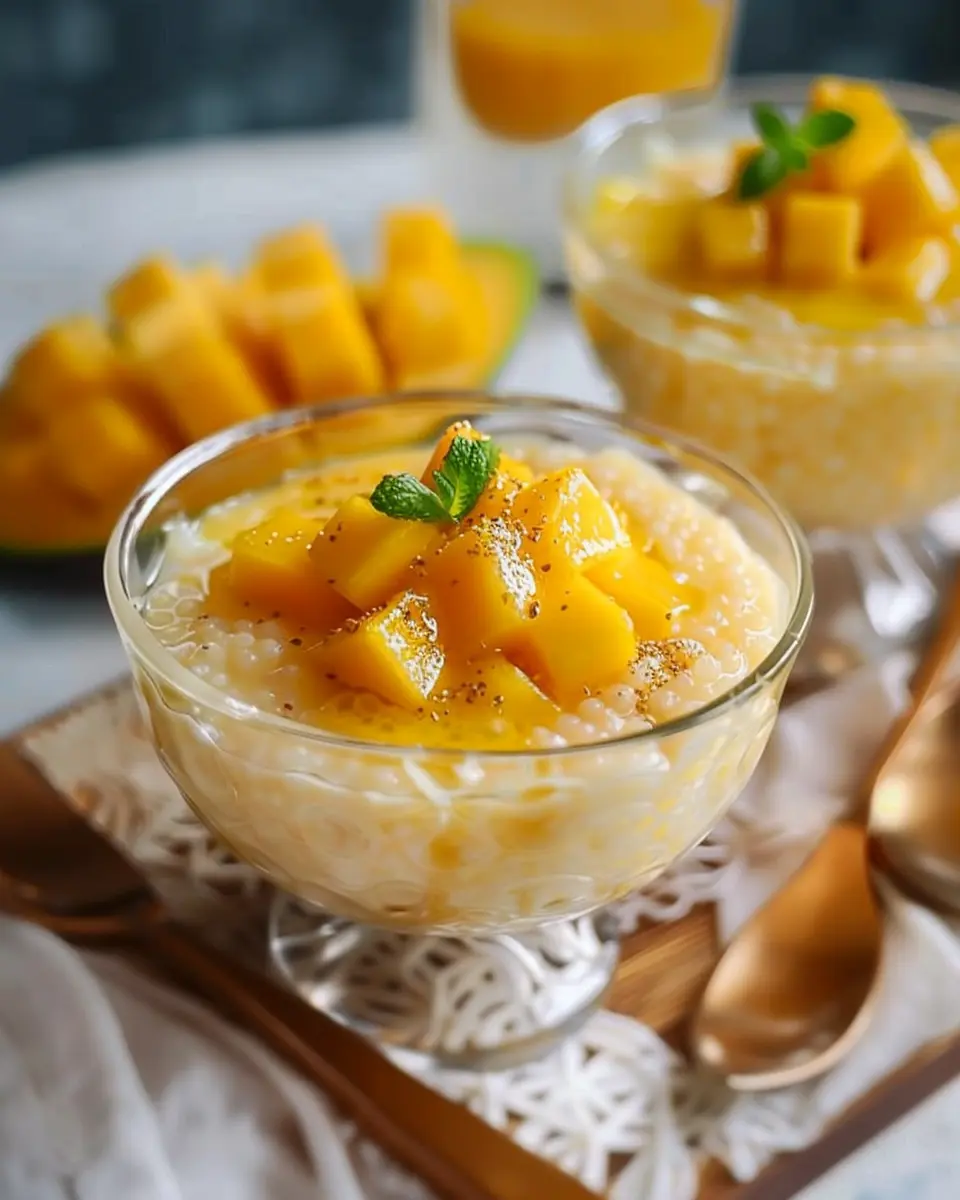
Ingredients for Mango Sago
Essential ingredients for a delightful dessert
Creating the perfect mango sago is all about gathering the right ingredients. To whip up this refreshing dessert, you’ll need:
- Fresh Mangoes: Ripe and sweet mangoes are the star of this dish. Make sure they’re fragrant and slightly soft to the touch for the best flavor.
- Sago Pearls: These tiny, starch-filled balls provide the beloved chewy texture. You can find them at most Asian grocery stores or online—just make sure they’re properly cooked before adding them to your dessert.
- Coconut Milk: For that rich, creamy base, coconut milk adds a tropical twist. Look for the full-fat variety for the best consistency.
- Sugar: Use sugar to sweeten the mixture to your liking. Coconut sugar can add a unique flavor if you’re looking to experiment.
- Water: You’ll need water for boiling the sago pearls and blending the mangoes.
By choosing quality ingredients, you’ll ensure that your mango sago stands out. Who knew such a simple list could lead to such another level of deliciousness? For tips on selecting ripe mangoes, check out this guide. Your taste buds will thank you!
Preparing Mango Sago
Mango Sago is a luscious dessert that’s perfect for warm days or simply to satisfy your sweet cravings. Its delicate balance of creamy mango puree and chewy tapioca pearls creates a texture that’s simply irresistible. Ready to dive into the world of this refreshing treat? Let’s get started with the preparation.
Gather your ingredients
Before embarking on your Mango Sago journey, it’s essential to gather all the necessary ingredients. Having everything at your fingertips will make the cooking process smooth and enjoyable. Here’s what you’ll need:
- Tapioca pearls (1/2 cup)
- Ripe mangoes (2 large, preferably sweet varieties like Honey or Ataulfo)
- Coconut milk (1 cup)
- Sugar (2-3 tablespoons, adjust according to sweetness preference)
- Water (for cooking tapioca)
- Optional toppings: diced mango, coconut flakes, or even a sprinkle of mint for garnish.
You can usually find these ingredients at a local grocery store or Asian supermarkets. If you’re interested in learning more about the benefits of mangoes, check out this article from Healthline.
Cook the tapioca pearls
Now that you’re all set with your ingredients, it’s time to cook the tapioca pearls. This step is crucial as it gives the Mango Sago its signature chewy texture.
- Boil water: In a medium-sized pot, bring about 4 cups of water to a rolling boil.
- Add tapioca pearls: Once boiling, carefully add the tapioca pearls and stir immediately to prevent them from sticking together.
- Cook: Allow them to cook for approximately 15-20 minutes or as directed on the package. Stir occasionally. You’ll know they’re done when they become translucent and chewy.
- Rinse and cool: Once cooked, remove them from heat and drain the pearls. Rinse them under cold water to stop the cooking process and to ensure they don’t get too gummy. Set them aside.
Prepare the mango and blend the mixture
With the tapioca pearls ready, we can focus on the star of our dish: the mango.
- Peel and chop: Peel your ripe mangoes, remove the pit, and chop them into chunks. This is where that delightful sweetness will shine through.
- Blend: In a blender, combine the mango chunks, sugar (if using), and coconut milk. Blend until smooth. If you prefer a chunkier texture, pulse a few times and adjust based on your preference.
This luscious mango puree can also be used in smoothies or other desserts, making it a versatile kitchen companion!
Combine tapioca with the mango mixture
Now it’s time to bring everything together.
- In a mixing bowl, combine the cooked tapioca pearls with the mango mixture.
- Stir until everything is well combined, ensuring that the pearls are evenly distributed within the puree.
This is where you can add a splash of creativity. If you want more coconut flavor, feel free to pour a little extra coconut milk into the mixture.
Chill and serve
After everything is mixed to perfection, it’s essential to let your Mango Sago chill.
- Refrigerate: Transfer the mixture into serving bowls or a large container and place it in the refrigerator for at least an hour.
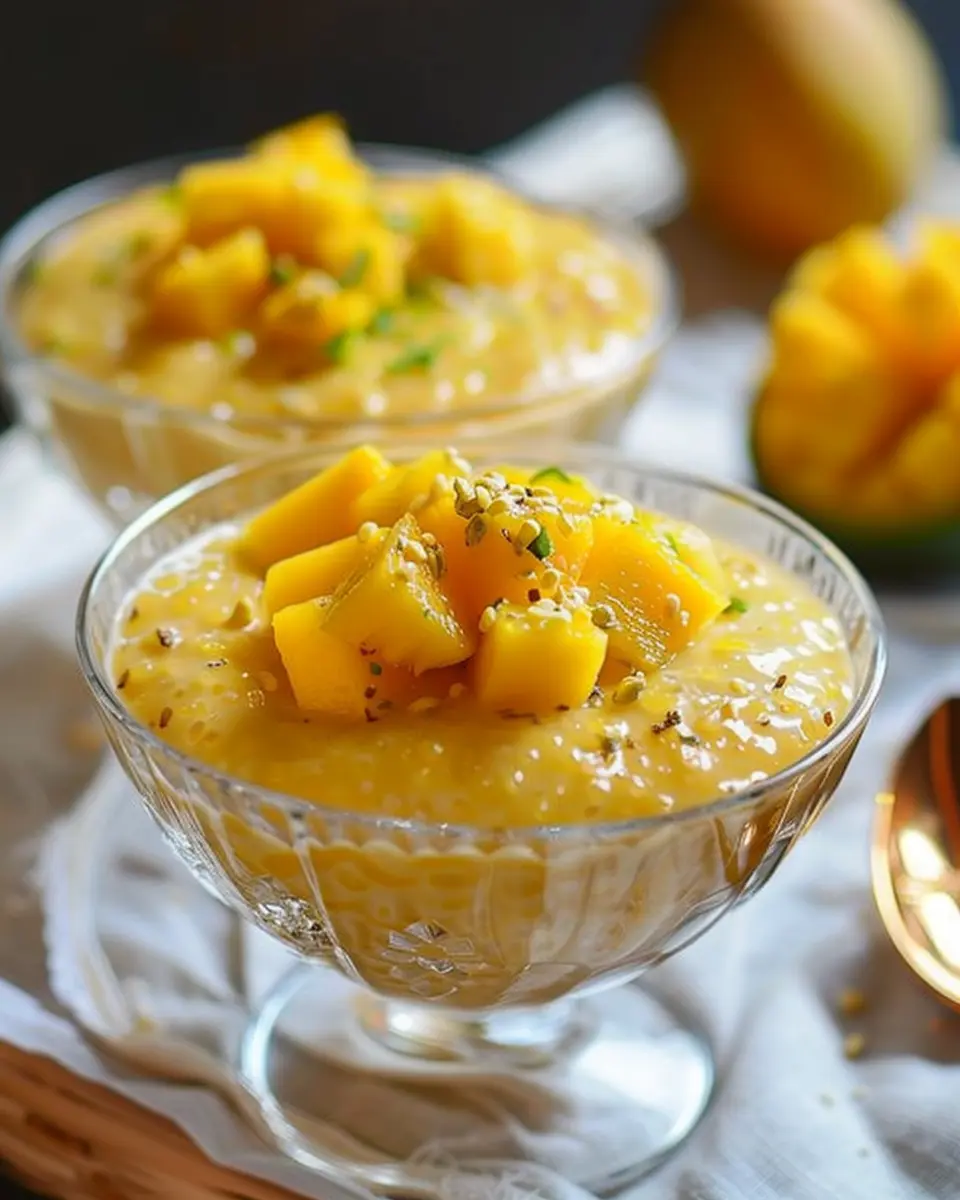
- Serve with flair: Once chilled, you can add optional toppings like diced mango, coconut flakes, or a sprig of mint for an aesthetic touch.
Dig into this creamy, dreamy dessert, and feel free to explore variations—perhaps adding a hint of lime juice for a zesty spin.
Making Mango Sago is not just about the delightful taste; it’s about sharing something delicious with friends and family. So go ahead, prepare this sweet treat, and enjoy every spoonful!
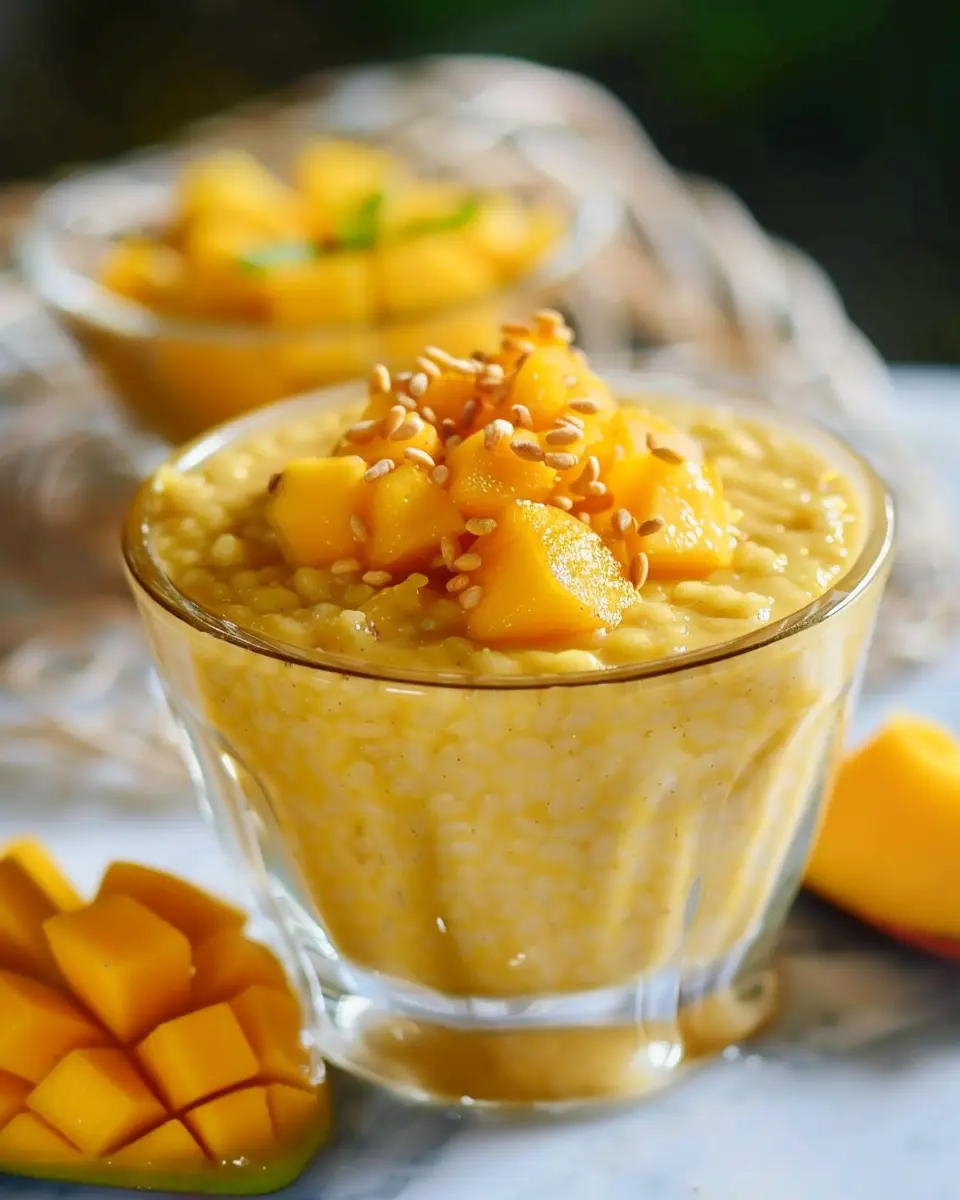
Variations on Mango Sago
Mango sago is already a sumptuous dessert, but did you know you can easily elevate this dish with a few tweaks? Let’s explore some delightful variations that will intrigue your taste buds and impress your friends at your next gathering.
Tropical Fruit Mango Sago
Why stop at just mango? Incorporating a medley of tropical fruits can create a colorful and flavorful twist on traditional mango sago. Think about adding diced pineapple, dragon fruit, or even passion fruit. The contrast in textures and flavors not only looks stunning but also plays beautifully on your palate.
- Suggested fruits to add:
- Pineapple
- Kiwi
- Papaya
- Lychee
Just mix these fruits into the sago and mango puree before serving. This variation not only adds vibrant colors but packs in extra nutrients, making your dessert even more enticing. For more tips on selecting the freshest tropical fruits, check out this guide.
Coconut-Infused Mango Sago
Imagine the creamy goodness of coconut elevating your mango sago. To create this variation, substitute part of the regular milk with coconut milk. Not only does the coconut enhance the flavor, but it also brings a rich, velvety texture that complements the mango beautifully.
- Ingredients to consider:
- 1 cup coconut milk
- Fresh coconut shavings for garnish
- A pinch of salt to balance the sweetness
After combining the ingredients, allow the mixture to chill in the refrigerator. This coconut-infused version captures that dreamy beachy vibe—we’re talking instant tropical getaway. You can read more about the health benefits of coconut milk here.
These variations offer a fun way to experiment with your mango sago and can easily cater to different palates and occasions. Which one will you try first?
Cooking Tips and Notes for Mango Sago
Tips for Selecting Ripe Mangoes
Choosing the right mango is key to a delightful Mango Sago. Look for mangoes with a vibrant color, yielding slightly to gentle pressure. A ripe mango will have a sweet aroma at the stem end. Varieties like Ataulfo or Haden are fantastic choices for their juicy, sweet flesh. If you’re unsure, check out this helpful guide on how to pick the perfect mango.
Adjusting Sweetness Levels
Balancing sweetness is essential in making your Mango Sago irresistible. If you prefer it on the sweeter side, consider adding a touch of condensed milk or sugar to your coconut milk. Taste as you go! Remember, the natural sweetness of ripe mangoes will vary, so it’s always a good idea to adjust according to your preferences. A little experimenting can make a big difference in your end result!
With these tips, your Mango Sago will be both refreshing and delicious, impressing anyone lucky enough to taste it!
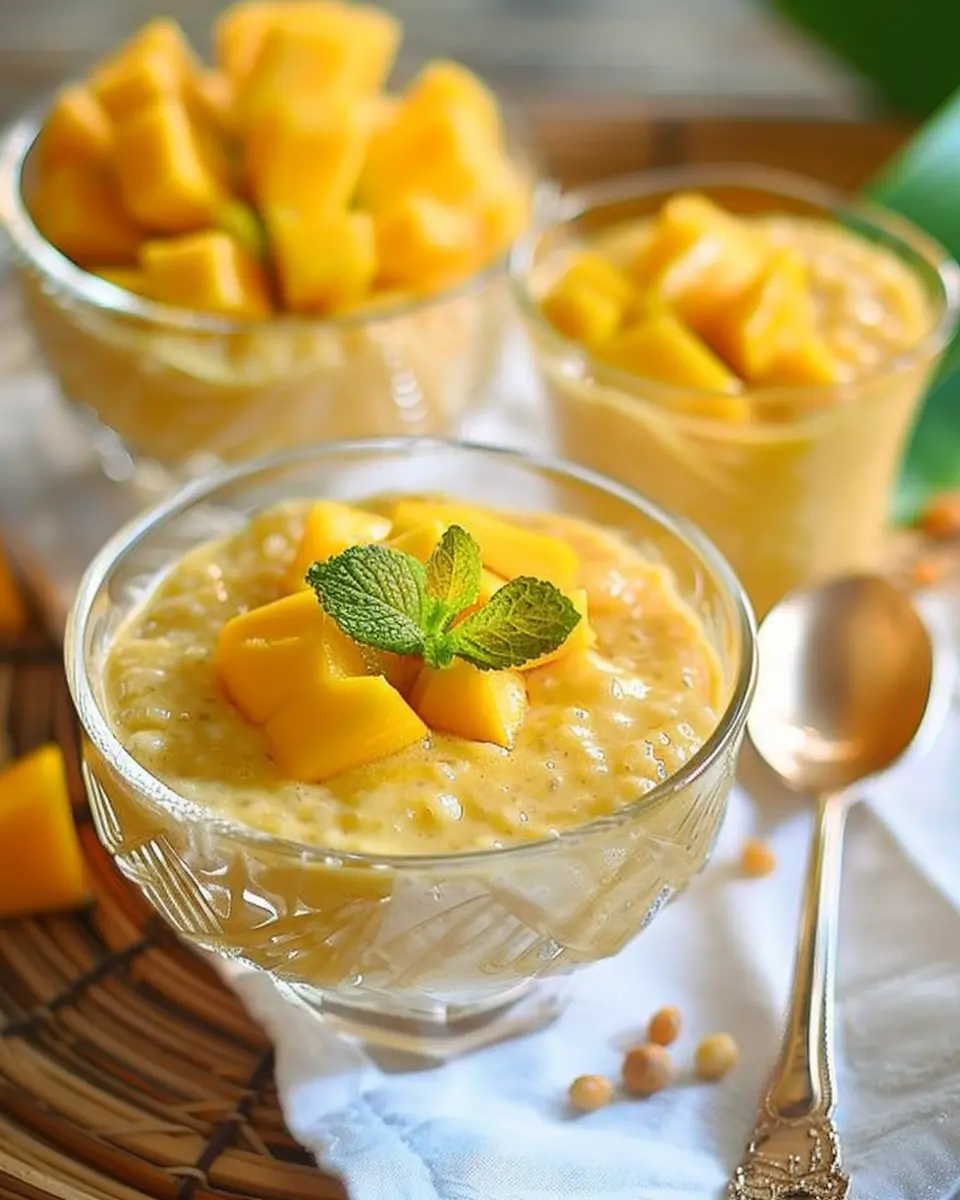
Serving suggestions for Mango Sago
Creative Ways to Present Your Dessert
When it comes to serving mango sago, presentation can make a world of difference. Consider using clear glass bowls or dessert cups to showcase the beautiful layers and vibrant colors. You might also layer it with fresh diced mango and a sprinkle of coconut flakes on top for that extra flair. For a more exotic touch, try serving it in a halved coconut shell or a pineapple boat. It’s all about that wow factor which will surely impress your guests at any gathering!
Ideal Pairings to Enhance Flavor
To elevate your mango sago experience, pair it with complementary flavors. Here are some tasty ideas:
- Fresh fruits: Serve with slices of kiwi or strawberries to brighten up the dish.
- Nuts: A sprinkle of toasted coconut or almonds adds a delightful crunch.
- Herbal infusion: Mint or basil leaves can provide a refreshing contrast to the sweetness.
Experimenting with these pairings not only enhances the flavors but also brings a sophisticated touch to your dessert. For more suggestions on flavor combinations, check out expert recommendations from sources like CookingLight.
Have fun with your mango sago, and enjoy the delightful reactions from your friends and family!
Time breakdown for Mango Sago
When craving a refreshing dessert like Mango Sago, it’s helpful to know how much time you’ll need. Here’s a quick breakdown:
Preparation time
Getting everything ready will take about 20 minutes. This includes peeling, chopping your ripe mangoes, and soaking the sago pearls. Make sure to have your ingredients prepped so you can enjoy the process!
Cooking time
Cooking the mango sago takes around 30 minutes. The sago pearls should be cooked until they turn translucent, creating that delightful chewy texture we all love.
Total time
In total, you’re looking at approximately 50 minutes from start to finish. Just think—within less than an hour, you’ll have a delicious bowl of Mango Sago to delight your taste buds!
For a deeper dive into cooking techiques, check out Serious Eats for expert advice.
Nutritional facts for Mango Sago
Calories per serving
If you’re wondering about the caloric content of your delightful dessert, a typical serving of Mango Sago is approximately 150 to 200 calories. This makes it a light yet satisfying treat, perfect for those warm days when you crave something refreshing.
Key nutrients
Mango Sago is not just about taste; it offers a variety of nutritional benefits as well. Here are some key nutrients you can expect:
- Vitamin A: Mangoes are packed with this vitamin, essential for healthy skin and vision.
- Vitamin C: This antioxidant helps boost your immune system and aids in overall health.
- Fiber: The combination of sago and mango provides dietary fiber, promoting digestion.
- Healthy fats: If you add coconut milk, you’ll also introduce some healthy fats and an extra layer of flavor.
By enjoying Mango Sago, you’re treating yourself to a dessert that not only delights your taste buds but also nourishes your body. Looking for more information about the health benefits of mangoes? Check out Healthline’s article on mango nutrition.
FAQs about Mango Sago
Can I use frozen mango?
Absolutely! Using frozen mango can be a great alternative, especially if fresh mangoes are out of season or hard to come by. Just make sure to let them thaw slightly before blending, as this helps achieve that creamy, smooth texture we all love in mango sago. Thawing will also enhance the sweetness, giving you an equally delightful dessert!
How long does Mango Sago last in the fridge?
Mango sago is best enjoyed fresh, but if you have leftovers, you can store them in an airtight container in the fridge. Generally, it can last up to 2-3 days. However, keep in mind that the tapioca pearls might absorb some of the liquid over time, resulting in a thicker consistency. To revitalize it, consider adding a splash of coconut milk or water when serving.
Is it possible to make Mango Sago vegan?
Yes, making mango sago vegan is super simple! Just replace any dairy ingredients with plant-based options. For instance, use coconut milk or almond milk instead of regular milk. If your recipe calls for sugar, consider agave syrup or coconut sugar for a naturally sweet touch. With these swaps, you’ll have a completely vegan mango sago that’s just as delicious!
For a deeper dive into vegan dessert options, check out The Vegan Society. They have a wealth of information, including tips on creating delicious, plant-based treats.
Have more questions about this tropical delight? Feel free to ask!
Conclusion on Mango Sago
Final thoughts on enjoying Mango Sago at home
Mango Sago is not just a dessert; it’s an experience that transforms any ordinary day into a tropical getaway. The creamy texture of sago pearls mingling with luscious mango puree creates a delightful balance that’s hard to resist.
Enjoy this refreshing treat anytime, whether as a satisfying end to a meal or a light afternoon snack. Making it at home means you can adjust the level of sweetness or add your favorite toppings, like fresh fruits or coconut flakes. For more inspiration, check out the National Mango Board for tips on selecting the best mango varieties. So, gather your ingredients, and treat yourself to this irresistible dessert that’s sure to impress friends and family. Give it a try—you might just fall in love with it!
PrintMango Sago Delight: A Refreshing and Easy Dessert Recipe

Mango Sago is a delicious dessert made with ripe mangoes and sago pearls, offering a refreshing treat that’s perfect for any occasion.
- Prep Time: 15 minutes
- Cook Time: 15 minutes
- Total Time: 30 minutes
- Yield: 4 servings 1x
- Category: Dessert
- Method: Refrigeration
- Cuisine: Asian
- Diet: Vegetarian
Ingredients
- 1 cup sago pearls
- 2 cups coconut milk
- 2 ripe mangoes, diced
- 1/2 cup sugar (adjust to taste)
- 1 cup water
- 1/4 cup mango puree for garnish
Instructions
- In a pot, bring 1 cup of water to a boil. Add the sago pearls and cook until they turn translucent, about 10-15 minutes. Stir occasionally to prevent sticking.
- Drain the sago and rinse under cold water to stop the cooking process. Set aside.
- In another pot, heat the coconut milk and sugar until the sugar has dissolved, then remove from heat.
- Combine the cooked sago pearls with the sweetened coconut milk and stir well.
- Let the mixture cool in the fridge for about 30 minutes.
- To serve, divide the mixture into serving bowls, top with diced mangoes, and drizzle with mango puree.
Notes
- For an extra touch, you can add a sprinkle of toasted coconut on top before serving.
- Adjust the sweetness of the dessert as per your preference.
Nutrition
- Serving Size: 1 bowl
- Calories: 250
- Sugar: 15g
- Sodium: 5mg
- Fat: 8g
- Saturated Fat: 7g
- Unsaturated Fat: 1g
- Trans Fat: 0g
- Carbohydrates: 40g
- Fiber: 2g
- Protein: 3g
- Cholesterol: 0mg
Keywords: Mango Sago, dessert, refreshing dessert