




Introduction to Artisan Pizza Dough
The Magical Allure of Homemade Pizza
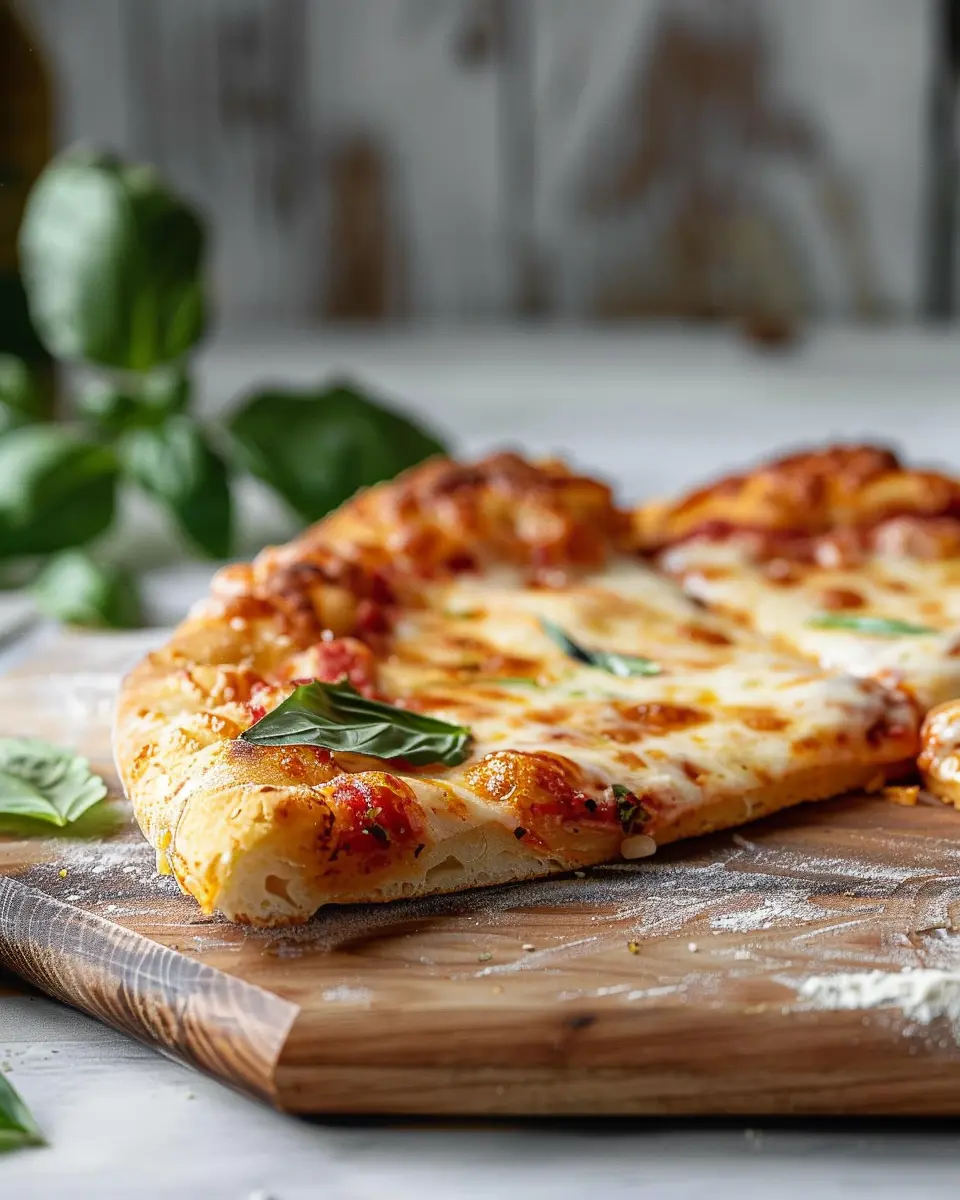
There’s something undeniably enchanting about homemade pizza, don’t you think? Picture this: the aroma of fresh dough rising, the comforting sound of cheese gently bubbling, and the thrill of crafting your perfect pizza masterpiece. For many, this process intertwines food with art, and at the core of it all is artisan pizza dough that sets the stage for a truly exceptional experience.
Creating pizza from scratch isn’t just about mixing flour, water, and yeast; it’s a delicious journey that allows you to customize every bite. Perched on your kitchen counter, you’ll blend ingredients, knead the dough, and wait with bated breath as it transforms into a fluffy, airy delight. This isn’t just a meal; it’s an invitation to unleash your culinary creativity.
The beauty of mastering artisan pizza dough lies in its versatility. Whether topped with savory roasted veggies, zesty tomato sauce, or your choice of chewy Turkey Bacon or mouthwatering Chicken Ham, the possibilities are endless. Did you know that a study by the Food Network shows that nearly 50% of home cooks prefer to make pizza at home for its personalization and control over ingredients?
Further elevating this experience, you can put your spin on classic ingredients, experimenting with gourmet cheeses or creating a unique sauce that reflects your taste. For inspiration, visit resources like Serious Eats or Bon Appétit for innovative topping ideas and cooking techniques.
As you embark on your artisan pizza journey, remember that patience is key. Allowing your dough to rise creates those irresistible bubbles and a delightful chewiness that you just can’t replicate with store-bought varieties.
So, ready to roll up your sleeves? Embrace the thrill of crafting a pizza from scratch and discover that the joy of homemade pizza extends far beyond flavor—it brings people together. Gather friends, get creative, and enjoy the process of making artisan pizza dough, celebrating the magic of cooking right in your own kitchen.
Ingredients for Artisan Pizza Dough
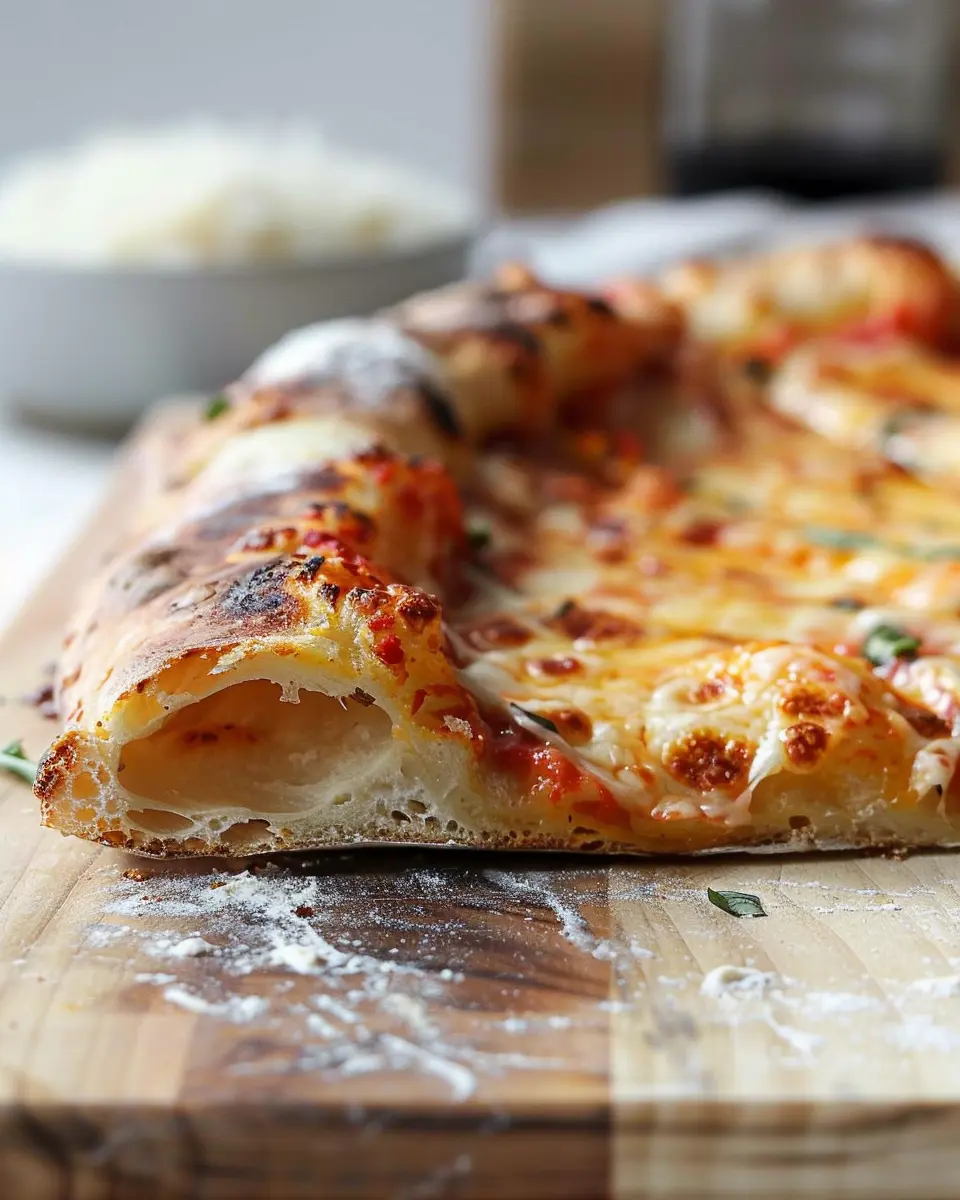
Creating the perfect artisan pizza dough is an art form that combines simple ingredients to achieve that heavenly, crispy, chewy, and bubbly crust we all crave. Let’s break down what you’ll need:
- High-Quality Flour: Opt for bread flour with higher protein content (at least 12-14%) to achieve that dream texture. Some enthusiasts even prefer Caputo “00” flour, known for its fine texture.
- Water: Use filtered water at room temperature. The magic temperature range is between 100°F and 110°F, which helps activate the yeast without killing it.
- Yeast: A mix of active dry yeast or instant yeast does wonders. This good bacteria helps the dough rise and develop flavor.
- Salt: It controls fermentation and enhances flavor. Sea salt is an excellent choice, as it dissolves evenly throughout the dough.
- Olive Oil: Adding a bit of extra virgin olive oil provides richness and contributes to moisture, making the crust tender.
Elevate your pizza game by using fresh ingredients! Check out resources like King Arthur Baking for tips on the quality of flour and its importance. Whether you’re a pizza novice or a seasoned pro, you’ll find that crafting an artisan pizza dough is not just about the ingredients; it’s about the love you knead into every batch. What toppings will you add once your dough is ready?
Preparing Artisan Pizza Dough
Creating the perfect artisan pizza dough is an art that requires patience and care. But don’t worry! With a bit of guidance, you’ll be mastering the nuances of dough-making in no time. Here’s a friendly, step-by-step approach to help you achieve a crispy, chewy, bubbly crust that will have your friends and family clamoring for more.
Mixing and Resting the Dough
To kick things off, combine your ingredients in a large mixing bowl. You’ll need:
- 4 cups of all-purpose flour (or bread flour for added chew)
- 1 ½ cups of warm water (not too hot, or you’ll kill the yeast!)
- 2 teaspoons of salt
- 2 teaspoons of active dry yeast
- 1 tablespoon of olive oil (for flavor)
Start by dissolving the yeast in the warm water, allowing it to bloom for about 5 minutes until foamy. In another bowl, combine the flour and salt, making a well in the center. Add the yeast mixture and olive oil, then mix until a shaggy dough forms.
At this point, let the dough rest for 20-30 minutes. This autolyse period is essential, as it allows the flour to hydrate fully, making the dough easier to work with and enhancing its flavor.
Developing Gluten Through Folding
Once the dough has rested, it’s time to work on developing gluten—a critical step for ensuring a great structure in your artisan pizza dough. Lightly flour your work surface and turn out the dough. Use a technique called “stretch and fold”:
- Wet your hands to prevent sticking.
- Grab one edge of the dough, gently stretch it upward, then fold it over itself.
- Rotate the dough a quarter turn and repeat until you’ve gone all the way around.
This step can be repeated every 30 minutes for a couple of hours. As you fold, you’ll notice the dough becoming stronger and more elastic, which is exactly what you want for that lovely chewy crust. And don’t forget to check out more details on gluten development here.
Shaping the Dough Balls
Once your dough is well-developed, it’s time to shape individual pizza balls. Turn the dough onto a lightly floured surface and divide it into 4 equal pieces.
To shape them:
- Take one piece and gently flatten it into a disc.
- Fold the edges toward the center, creating a pouch.
- Flip the ball over and use your palm to roll it against the work surface, ensuring it has a smooth surface.
Place each ball onto a lightly oiled tray or baking sheet, spaced apart. This shaping technique not only creates the right surface tension but also prepares your dough for its final rise.
Final Rise and Readiness to Use
Now that your dough balls are shaped, it’s time for the final rise. Cover them with a damp cloth or plastic wrap and allow them to rest at room temperature for approximately 1–2 hours, or until they’ve doubled in size.
If you’re planning ahead, you can place them in the fridge for up to 48 hours. This cold fermentation enhances the flavor even more! Just remember to bring them back to room temperature before stretching into your pizza rounds.
In summary, mastering this artisan pizza dough is all about the right techniques and a wee bit of patience. By mixing, resting, folding, shaping, and allowing your dough to rise properly, you’ll create a stunning crust that’s the foundation of any pizza feast. So grab your favorite toppings, invite some friends over, and get ready to impress!
For more tips, you might want to check out this pizza-making guide that dives deeper into the craft. Happy baking!
Variations on Artisan Pizza Dough
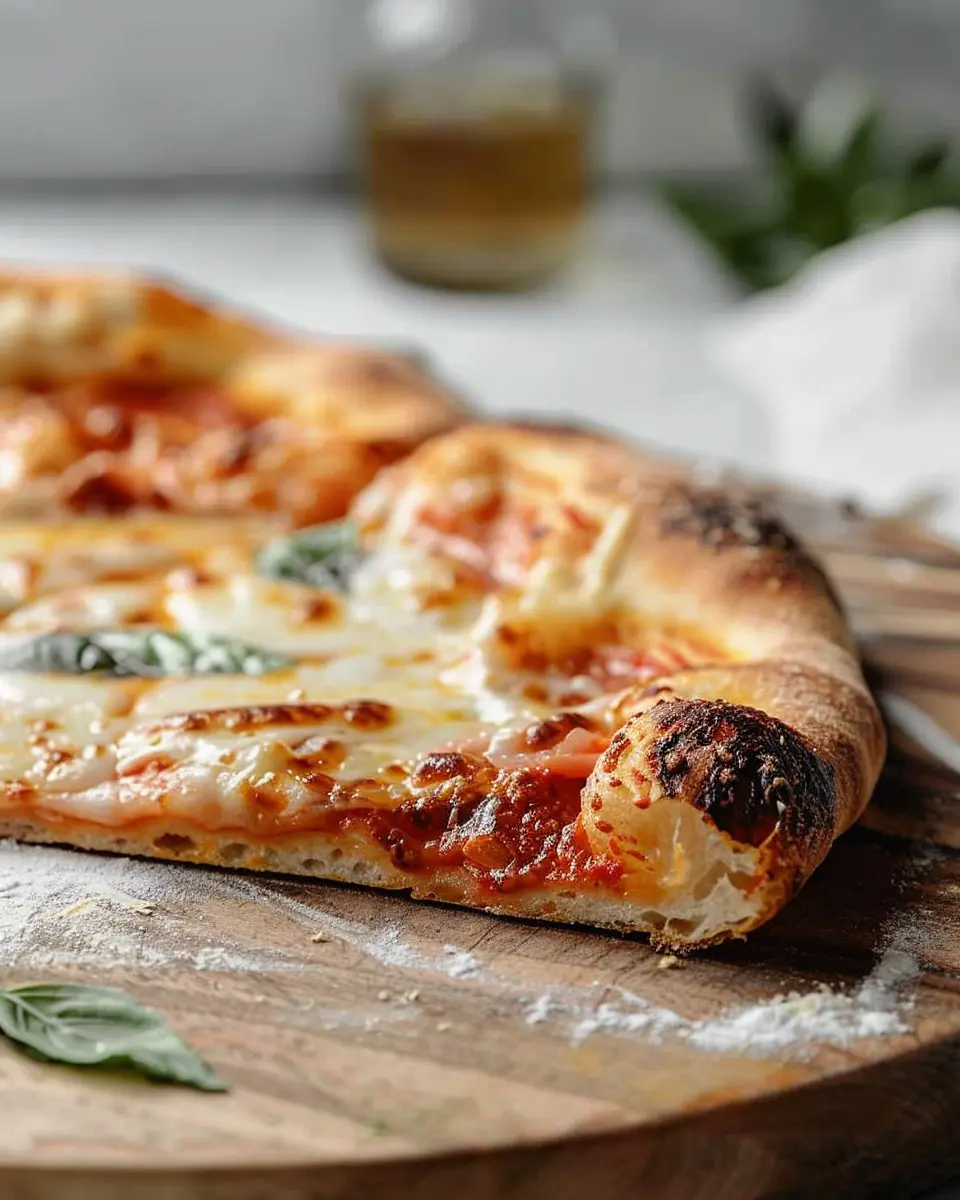
When it comes to crafting the perfect artisan pizza dough, the possibilities are as diverse as your culinary imagination. Whether you’re mindful of dietary needs or simply want to try something new, these variations can accommodate everyone at your table.
Gluten-Free Artisan Pizza Dough
Craving pizza but need to avoid gluten? No problem! For a delightful gluten-free artisan pizza dough, replace traditional flour with a gluten-free blend. Look for quality options that contain a mix of:
- Brown rice flour
- Tapioca flour
- Potato flour
These flours create a chewy texture similar to regular dough. Add xanthan gum (about 1 teaspoon per cup of flour) to help mimic the stretchiness of gluten. Keep in mind, you might need a bit more water to get the desired consistency, so add gradually.
Whole Wheat Artisan Pizza Dough
If you’re aiming for a healthier twist, consider using whole wheat flour for your artisan pizza dough. This adds extra fiber and nutrients while still providing that satisfying chew. To keep the dough light and airy, try a mix of:
- 50% whole wheat flour
- 50% all-purpose flour
This combination helps retain the wonderful crispy crust we all love while boosting nutritional value. The whole wheat flour also lends a nutty flavor that pairs beautifully with toppings like chicken ham or turkey bacon.
By exploring these alternative flours, you can customize your artisan pizza experience. Feeling adventurous? Check out more gluten-free baking tips on King Arthur Baking or seek whole grain insights from Whole Grains Council to elevate your pizza game!
Cooking Tips for Artisan Pizza Dough
Creating the perfect artisan pizza dough is a labor of love, but a few tips can turn it into a delightful experience.
Perfect Timing is Key
One of the most crucial aspects of making artisan pizza dough is allowing it to rise. A slow, cold rise in the refrigerator overnight can enhance flavors significantly. It helps develop that chewy texture we all crave.
Use Quality Ingredients
Investing in high-quality flour, such as bread flour or “00” flour, can make a noticeable difference in your dough’s texture. The better the quality of your ingredients, the better your pizza will taste! Additionally, fresh yeast can lead to quicker, more flavorful fermentation.
Temperature Matters
Understanding your kitchen environment can be beneficial. Dough rises better in a warm spot. If your kitchen is chilly, try placing the dough near a preheating oven (but not too close!). A consistent environment can aid in reaching that perfect rise.
Experiment with Hydration
Don’t be afraid to play around with the water content in your artisan pizza dough. Higher hydration can lead to airier, more bubbly crusts, while lower hydration yields a denser crust. Finding the sweet spot might take some trial and error, but is worth it!
For more in-depth tips on making artisan pizza, visit Serious Eats for expert advice!
Serving Suggestions for Artisan Pizza Dough
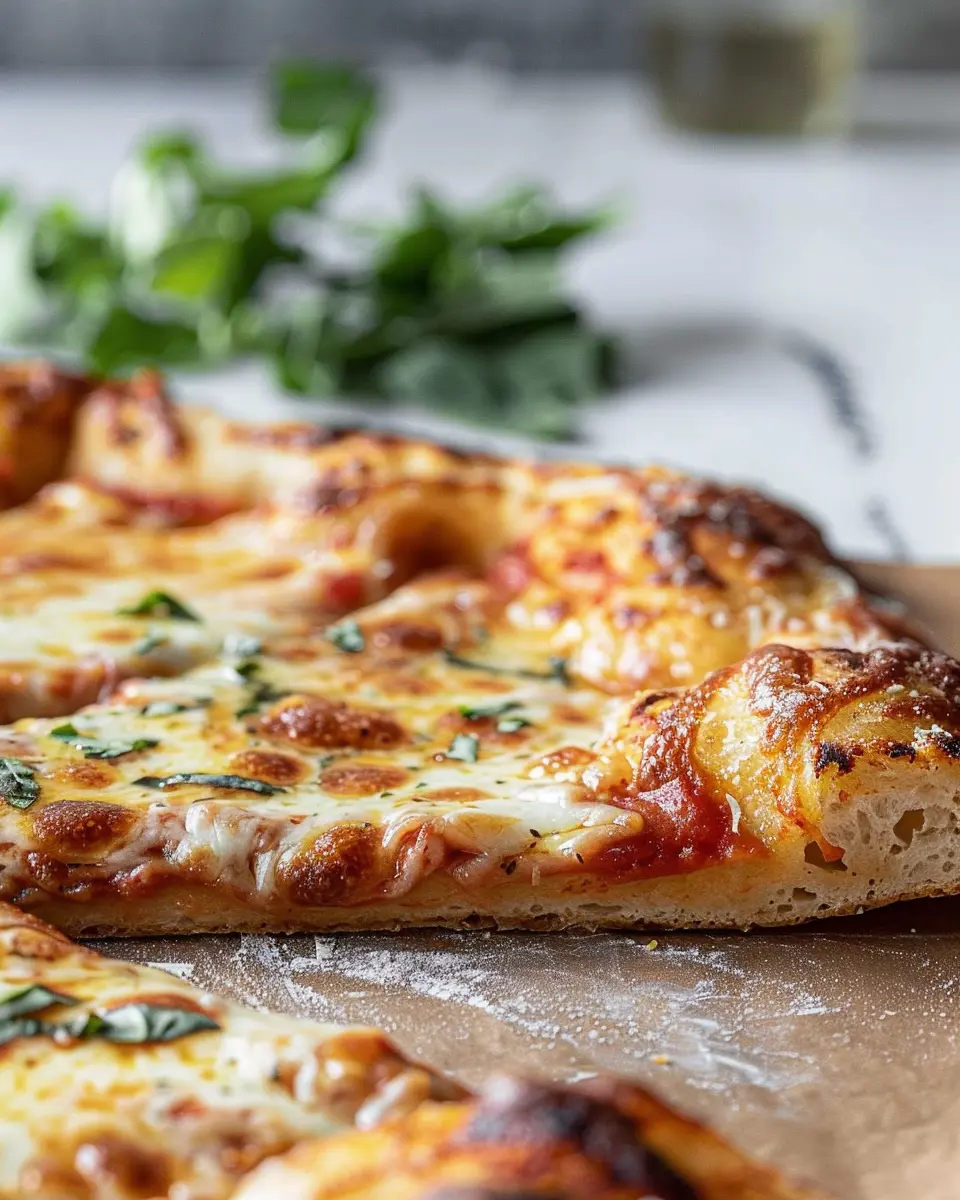
When it comes to artisan pizza dough, the options for delicious toppings are nearly limitless! Creating the perfect pizza goes beyond just the dough—it’s about finding those perfect flavors and textures that make every slice memorable.
Classic Combinations
Start with the classics like:
- Margherita: Fresh mozzarella, basil, and a drizzle of olive oil.
- Pepperoni Pop: Instead of traditional pork, try turkey bacon with spicy pepperoncini for a twist!
Gourmet Toppings
Feeling adventurous? Go for gourmet toppings that will elevate your pizza game. How about:
- Chicken Ham & Spinach: Top with creamy ricotta and a sprinkle of nutmeg for richness.
- Vegetarian Delight: Load it up with roasted veggies like bell peppers, mushrooms, and red onions.
Sauce Alternatives
Don’t forget about sauce! While classic tomato sauce is a go-to, here are some fun alternatives:
- Pesto: It adds a fresh, herby flavor, perfect for a summer pizza.
- Alfredo Sauce: The creamy texture pairs beautifully with chicken ham and spinach.
Whether you’re crafting a cozy dinner or hosting friends, utilizing artisan pizza dough allows you to tailor each pizza to your craving. Check out this guide on cheese varieties to elevate your topping choices further!
Tips for Perfecting Artisan Pizza Dough
Creating a delightful artisan pizza dough is all about technique and attention to detail. Here are some tips to help you achieve that crispy, chewy, bubbly crust you crave.
Start with Quality Ingredients
Using high-quality flour, such as bread flour or 00 flour, can dramatically elevate your dough’s texture. Higher protein flour promotes better gluten development, which is essential for that perfect rise. Pair it with filtered water for the best results. If you’re curious, check out sources like King Arthur Baking for expert insights.
Temperature Matters
The ideal temperature for proofing pizza dough is around 75-80°F (24-27°C). If it’s too cold, the yeast will be sluggish; too hot, and it may die off. Utilize a thermometer or find a cozy spot in your kitchen to ensure optimal conditions. A great tip is to let your dough rise in the oven (turned off) with just the light on, creating a warm and inviting environment.
Knead with Love
While artisan pizza dough is forgiving, take a moment to knead it properly. Aim for about 10 minutes of kneading by hand or 5-7 minutes with a stand mixer. You want a smooth, elastic dough that doesn’t stick to your hands. Remember, consistent kneading is key to developing that ideal texture.
Don’t Rush the Fermentation
Allow your dough to ferment for an extended period, preferably overnight in the refrigerator. This slow process enhances flavor and texture, giving your pizza that authentic artisan feel. Your taste buds will thank you!
Use Technique for Shaping
When it’s time to shape your dough, avoid rolling it out with a pin. Instead, use your hands or the stretch-and-fold method. This technique retains the air bubbles created during fermentation and contributes to that airy, bubbly crust we all love.
With these tips, you’re well on your way to mastering artisan pizza dough. Enjoy your culinary adventure!
Time Breakdown for Artisan Pizza Dough
Preparation Time
Creating your artisan pizza dough doesn’t take much time up front—just about 15 minutes! You’ll need to mix your ingredients and knead the dough until it’s beautifully smooth and elastic.
Rising Time
Ah, the waiting game! Allow your dough to rise for at least 1 to 2 hours. During this time, it will develop flavor and flexibility, giving that delightful bubbly crust when baked. If you’re planning ahead, you can let it rise in the fridge overnight for even more taste!
Cooking Time
When you’re ready to bake, preheat your oven and your pizza stone or baking sheet. The cooking process should take around 10 to 15 minutes for a perfectly golden and crisp crust. Each minute counts, so keep an eye on it!
For more tips on dough handling or to explore various toppings, check out resources like King Arthur Baking or Serious Eats. Happy baking!
Nutritional Information for Artisan Pizza Dough
When crafting your delicious artisan pizza dough, it’s essential to know what you’re putting into your body. Below is a quick breakdown of the key nutritional components:
Calories
A typical serving of artisan pizza dough contains around 200 calories. This can vary based on the ingredients you choose, especially if you’re adding rich toppings later.
Protein
Each serving provides approximately 7 grams of protein. This is a fantastic source of energy, especially after a long day at work. Protein helps maintain muscle mass and keep you full longer.
Sodium
Watch out for sodium—an average serving has about 400 milligrams. Balancing this with lower-sodium toppings or a fresh salad on the side can make your meal healthier while still satisfying those pizza cravings.
For more detailed nutritional information on pizza dough, check out sources like the USDA Nutrition Database or the Mayo Clinic. Embrace your culinary adventure with this artisan pizza dough, and enjoy every crispy, chewy bite!
FAQs about Artisan Pizza Dough
How can I ensure a crispy crust?
Achieving that perfect crispy crust with artisan pizza dough involves a few key tricks. First, use a high-temperature oven—around 475°F (245°C)—to create that bubbly, charred effect that defines artisanal pizza. Preheat a pizza stone or steel for at least 30 minutes before baking. A well-floured surface is also crucial; it helps to slide the pizza onto the stone easily without tearing the dough. For extra crunch, brush the crust with a bit of olive oil before cooking.
What kind of toppings work best with artisan pizza dough?
While the possibilities are nearly endless, consider toppings that complement the flavor and texture of artisan pizza dough. Classic combinations like fresh mozzarella, basil, and a drizzle of balsamic glaze can’t be beaten. Alternatively, try chicken ham, turkey bacon, and seasonal vegetables for a savory delight. Keep toppings in moderation—too much can weigh down your crust!
Can I refrigerate the dough for later use?
Absolutely! This is one of the best parts of making artisan pizza dough. After it has risen, simply wrap it tightly in plastic wrap and store it in the refrigerator for up to 3 days. You can also freeze it for up to 3 months. Just remember, if you freeze it, let it thaw in the fridge overnight before using. This flexibility allows you to whip up a spontaneous pizza night after a long day at work or plan a fun gathering with friends.
These tips and tricks will help you get the most out of your artisan pizza dough experience, ensuring delicious results every time! For more in-depth guidance on pizza making, check out resources from culinary experts like Serious Eats or Bon Appétit.
Conclusion on Artisan Pizza Dough
Creating your own artisan pizza dough is a rewarding experience that elevates your pizza game. With just a few quality ingredients, you can achieve a deliciously crispy, chewy, and bubbly crust right in your own kitchen. Remember, practice makes perfect; experimenting with hydration levels and fermentation times can yield different textures and flavors, so don’t be afraid to play around!
To ensure you’re getting the most out of your dough, consider pairing your pizza with fresh herbal notes like basil or oregano for an extra layer of flavor. For more tips on perfecting your pizza, check out resources like Serious Eats and The Kitchn. Now, gather your ingredients, invite some friends, and enjoy the art of pizza-making!
PrintArtisan pizza dough recipe for a crispy, chewy, bubbly crust at home

Learn how to make artisan pizza dough that results in a crispy, chewy, bubbly crust right in your own kitchen!
- Prep Time: 20 minutes
- Cook Time: 15 minutes
- Total Time: 2 hours 35 minutes
- Yield: 2 pizzas 1x
- Category: Pizza
- Method: Baking
- Cuisine: Italian
- Diet: Vegetarian
Ingredients
- 4 cups all-purpose flour
- 1 teaspoon salt
- 1 teaspoon sugar
- 1 packet instant yeast (about 2 1/4 teaspoons)
- 1 1/2 cups warm water
- 2 tablespoons olive oil
Instructions
- In a large bowl, combine flour, salt, sugar, and yeast.
- Add warm water and olive oil to the dry ingredients.
- Mix until a dough forms, then knead for about 10 minutes until smooth.
- Cover the dough and let it rise in a warm place until doubled in size, about 1-2 hours.
- Preheat the oven to 475°F (245°C).
- Divide the dough into portions and shape into pizza bases.
- Add desired toppings and bake for 12-15 minutes until crust is golden and bubbly.
Notes
- For best results, use high-quality flour.
- Let the dough rise longer for a more developed flavor.
Nutrition
- Serving Size: 1/4 pizza
- Calories: 250
- Sugar: 1g
- Sodium: 200mg
- Fat: 7g
- Saturated Fat: 1g
- Unsaturated Fat: 5g
- Trans Fat: 0g
- Carbohydrates: 40g
- Fiber: 2g
- Protein: 8g
- Cholesterol: 0mg
Keywords: artisan pizza dough, crispy pizza crust, chewy pizza, bubbly crust