




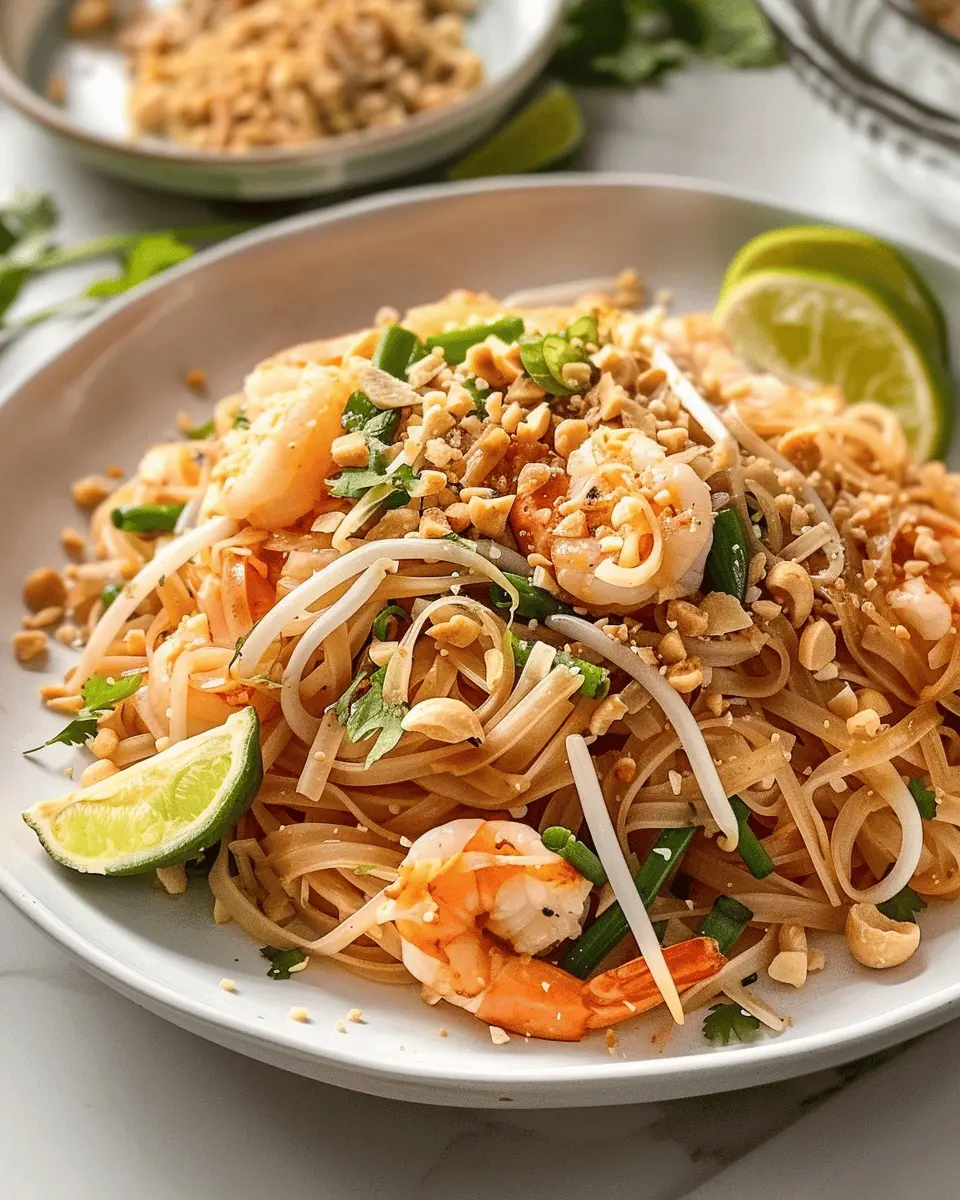
Introduction to Pad Thai: The Ultimate Homemade Comfort Food
Why Pad Thai is the Perfect Dish for Young Professionals
For young professionals juggling work commitments, social lives, and wellness goals, Pad Thai is the ultimate comfort food. It’s quick and easy to make, allowing busy individuals to whip up a delicious meal in just under 30 minutes. With its rich combination of flavors—sweet, salty, and tangy—it satisfies the taste buds while providing necessary nutrients. The versatility of Pad Thai means you can easily customize it to fit your dietary preferences; whether you’re a meat lover or a vegetarian, there’s a version for you.
Moreover, research shows that cooking at home not only saves money but can also be healthier than takeout. According to the American Heart Association, home-cooked meals tend to feature more fruits, vegetables, and whole grains. So why not enjoy a home-cooked Pad Thai that’s both nourishing and indulgently comforting?
A Personal Love Story with Pad Thai
I’ll never forget the first time I made Pad Thai. I was a fresh graduate, living in a tiny apartment with limited cooking skills. Post-work exhaustion often had me reaching for takeout menus, but one rainy evening, I decided to give this delectable dish a try. Armed with a simple recipe and a desire to impress a few friends, I dove into the world of rice noodles, tofu, and zesty lime.
Not only did my friends rave about the dish, but I also felt a sense of accomplishment that I rarely experienced as a novice cook. It was both the culinary journey and the resulting flavor explosion that turned me into a Pad Thai enthusiast. Since then, it has become a staple in my cooking repertoire, a dish I return to when I need a warm, comforting meal after a long day.
So, whether you’re searching for a quick dinner solution or aiming to impress someone special, Pad Thai is a flavorful way to bring a little joy into your evening. Stay tuned for the recipe that will have you falling in love, just as I did!
For insights on how to enhance your homemade culinary experiences, check out this article on kitchen essentials that every home chef should consider.
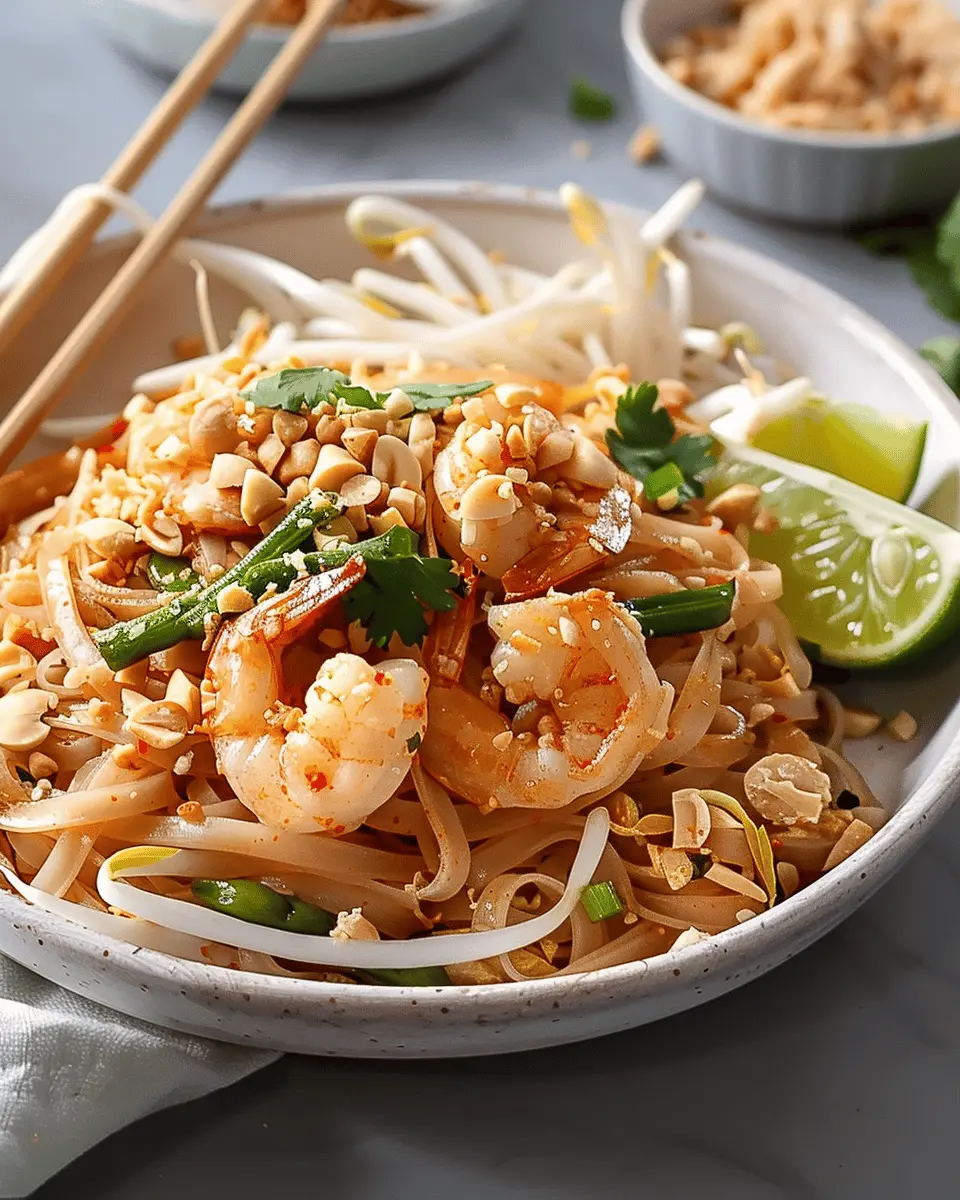
Ingredients for Homemade Pad Thai
Essential ingredients for authentic Pad Thai
Creating a delicious Pad Thai at home starts with the right ingredients. To capture that iconic flavor, you’ll need:
- Rice noodles: The backbone of this dish; choose flat rice noodles for the best texture.
- Protein: Options like chicken or shrimp work wonders, but don’t overlook alternatives like Turkey Bacon or Chicken Ham for a unique twist.
- Tofu: A fantastic option for a vegetarian version or just to up the protein factor.
- Eggs: For that classic richness and texture.
- Vegetables: Bean sprouts and green onions add a crunchy freshness.
- Peanuts: Crushed, they provide a delightful crunch and depth of flavor.
- Sauce: A mix of fish sauce (or soy sauce for a vegetarian take), tamarind paste, and sugar is essential for the signature tang.
For more information on authentic Thai ingredients, feel free to check out this helpful guide.
Optional ingredients for customization
What makes Pad Thai exciting is that you can easily tailor it to your taste. Consider including:
- Lime juice: For a zesty kick.
- Chili flakes: If you like some heat in your dish.
- Additional veggies: Carrots, bell peppers, or snap peas can add more texture and color.
- Herbs: Fresh cilantro can brighten up the dish.
These optional additions allow you to be creative and make the dish your own! Choosing the right combination can elevate your Pad Thai experience, ensuring every bite is bursting with flavor.
Step-by-step Preparation of Pad Thai
Creating the perfect Pad Thai in your own kitchen can be a rewarding experience, bringing together vibrant flavors and textures. Whether you’re cooking for a cozy night in or impressing friends at a dinner party, this step-by-step guide will help you craft a delicious dish that rivals your favorite takeout. Let’s dive into the preparation!
Prepare the Tamarind Sauce
The foundation of any great Pad Thai is its sauce, with tamarind playing a vital role in establishing that unique, tangy flavor. Here’s how to whip it up:
-
Ingredients:
-
3 tablespoons tamarind paste
-
3 tablespoons fish sauce (or soy sauce for a vegetarian option)
-
3 tablespoons palm sugar (or brown sugar)
-
1 tablespoon lime juice
-
Optional: a pinch of red pepper flakes for heat
-
Instructions:
- In a small bowl, mix together the tamarind paste, fish sauce, palm sugar, and lime juice until well blended.
- Taste the sauce and adjust the sweetness or tanginess as desired. If you love spicy, add the red pepper flakes.
- Set this sauce aside while you prepare the other ingredients.
For more information about tamarind and its health benefits, you can check out this article.
Marinate the Shrimp
While your tamarind sauce is developing its flavors, it’s time to marinate your shrimp. This step infuses the shrimp with even more deliciousness that complements the Pad Thai perfectly.
-
Ingredients:
-
10–12 medium shrimp (peeled and deveined)
-
1 tablespoon soy sauce
-
1 teaspoon garlic powder
-
Instructions:
- In a bowl, toss the shrimp with soy sauce and garlic powder.
- Let it marinate for about 15-20 minutes while you prep the other components.
Marinating adds depth to your proteins, making every bite of your Pad Thai unforgettable!
Cook the Pad Thai Noodles
Next up are the noodles. Properly-cooked rice noodles ensure that your Pad Thai has the right texture.
-
Ingredients:
-
8 ounces rice noodles
-
Instructions:
- Soak the rice noodles in hot water according to the package instructions until they’re al dente, usually about 30 minutes.
- Drain, rinse with cold water, and set aside.
This soaking method is key to getting the right consistency — you want them tender but not mushy!
Stir-fry Aromatics and Proteins
With your sauce, shrimp, and noodles ready, it’s time to bring everything together in a hot pan.
-
Ingredients:
-
2 tablespoons vegetable oil
-
2 cloves garlic (minced)
-
Optional: 3-4 slices of Turkey Bacon or Chicken Ham for added savoriness
-
Instructions:
- Heat the vegetable oil in a large skillet or wok over medium-high heat.
- Add the minced garlic and stir-fry for about 30 seconds, until fragrant.
- If using, toss in the Turkey Bacon or Chicken Ham to crisp it up, followed by the marinated shrimp. Cook until the shrimp turn pink, about 3-4 minutes.
This step is where the magic happens! The aromas will fill your kitchen, setting the stage for a fabulous meal.
Combine Noodles, Sauce, and Shrimp
Now comes the most exciting part — bringing everything together!
- Instructions:
- Add the drained noodles into the skillet with the shrimp and aromatics.
- Pour over the tamarind sauce, gently tossing until the noodles are well-coated.
- Stir-fry everything for an additional 3-5 minutes until heated through.
During this phase, a good toss is key to blending those rich flavors evenly.
Serve and Garnish
Finally, it’s time to plate your masterpiece. Presentation can enhance your eating experience!
-
Garnishes:
-
Chopped green onions
-
Crushed peanuts
-
Lime wedges
-
Bean sprouts (optional)
-
Instructions:
- Serve the Pad Thai in bowls and top with the garnishes. A squeeze of lime adds a refreshing zest that complements the dish beautifully.
Don’t forget to share your culinary creation on social media, and perhaps invite a friend over to enjoy this delicious homemade Pad Thai together!
With a little patience and practice, you’ll master this dish and impress everyone around you. Enjoy your cooking adventure!
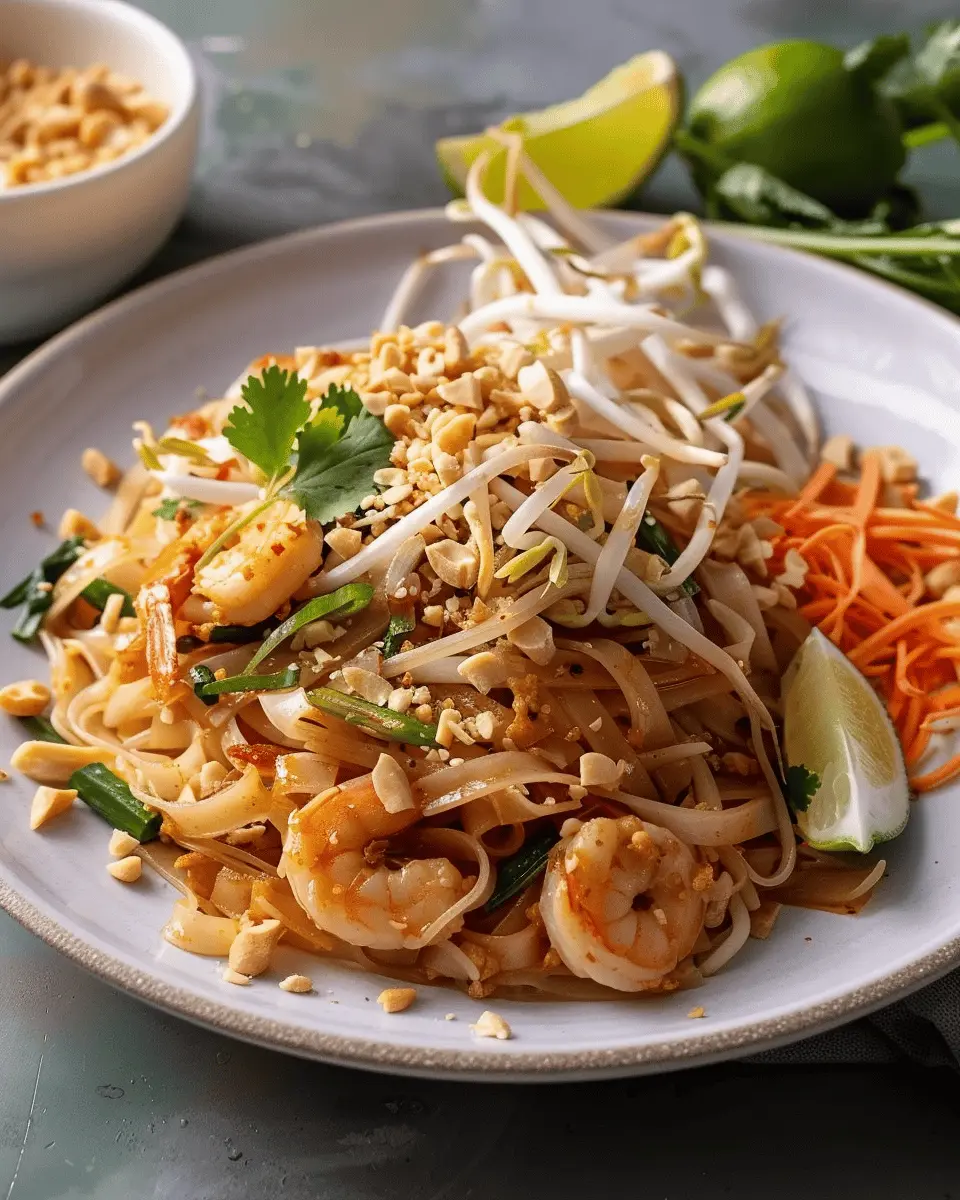
Variations on Classic Pad Thai
Pad Thai is a beloved dish that offers a delightful canvas for creativity in the kitchen. Whether you’re catering to dietary preferences or simply looking to mix things up, there are countless ways to enjoy this classic dish!
Vegetarian Pad Thai
If you’re embracing a meat-free lifestyle, a straightforward way to enjoy pad thai without sacrificing flavor is to go vegetarian. Swap out traditional proteins for:
- Tofu: Pan-fried until golden, it absorbs the sauce beautifully.
- Tempeh: For added texture and a nutty flavor.
- Vegetables: Load up on bell peppers, snap peas, and carrots for crunch and nutrition.
You can also explore flavor enhancers like peanut sauce or miso to give it that umami kick. For a fantastic recipe, you can check out the Vegetarian Society for inspiration.
Pad Thai with Chicken or Beef
For those who enjoy a heartier meal, incorporating chicken or beef is a delightful option. The process stays largely the same:
- Chicken: Thinly sliced chicken breast sautéed until tender.
- Beef: Use flank steak or sirloin for a quick-cook solution that’s bursting with flavor.
Pairing these proteins with the classic tamarind sauce, which balances sweet and savory, creates a satisfying dish perfect for any weeknight dinner!
Gluten-Free Pad Thai
If gluten is an issue, don’t fret! With the rise of gluten-free alternatives, it’s easy to prepare a delicious pad thai. Consider using:
- Rice Noodles: Unlike traditional noodles, they are naturally gluten-free.
- Tamari: A soy sauce alternative that is safe for gluten-sensitive diets.
Don’t forget to check out gluten-free brands that specialize in Asian ingredients, like Coconut Secret, to keep your pad thai flavorful and safe.
Cooking Tips and Notes for Pad Thai
Tips for Perfecting the Sauce
The sauce is the heart of Pad Thai! Balance is key, so make sure you’re using a mix of tamarind paste, fish sauce, and a bit of sugar. Adjust these ingredients to suit your taste—some prefer it sweeter, while others enjoy a tangier profile. For a personalized touch, you might want to explore recipes from Serious Eats for variations.
Choosing the Right Noodles
Selecting the right noodles significantly impacts your dish. Thin rice noodles are a must for authentic Pad Thai. Soak them in warm water for about 30 minutes before cooking. This ensures they’re pliable and won’t clump together during frying. Experiment with brands to find your favorite texture!
Cooking Over High Heat: Why It Matters
Cooking your Pad Thai over high heat is crucial for achieving that delightful stir-fried flavor. A hot skillet helps the ingredients to sear quickly, locking in the vibrant flavors and preventing sogginess. Have your ingredients prepped ahead of time for a stress-free cooking experience. Cooking this way not only enhances flavor but ensures a satisfying crunch in your vegetables!
By following these tips, your Pad Thai can go from good to fantastic!
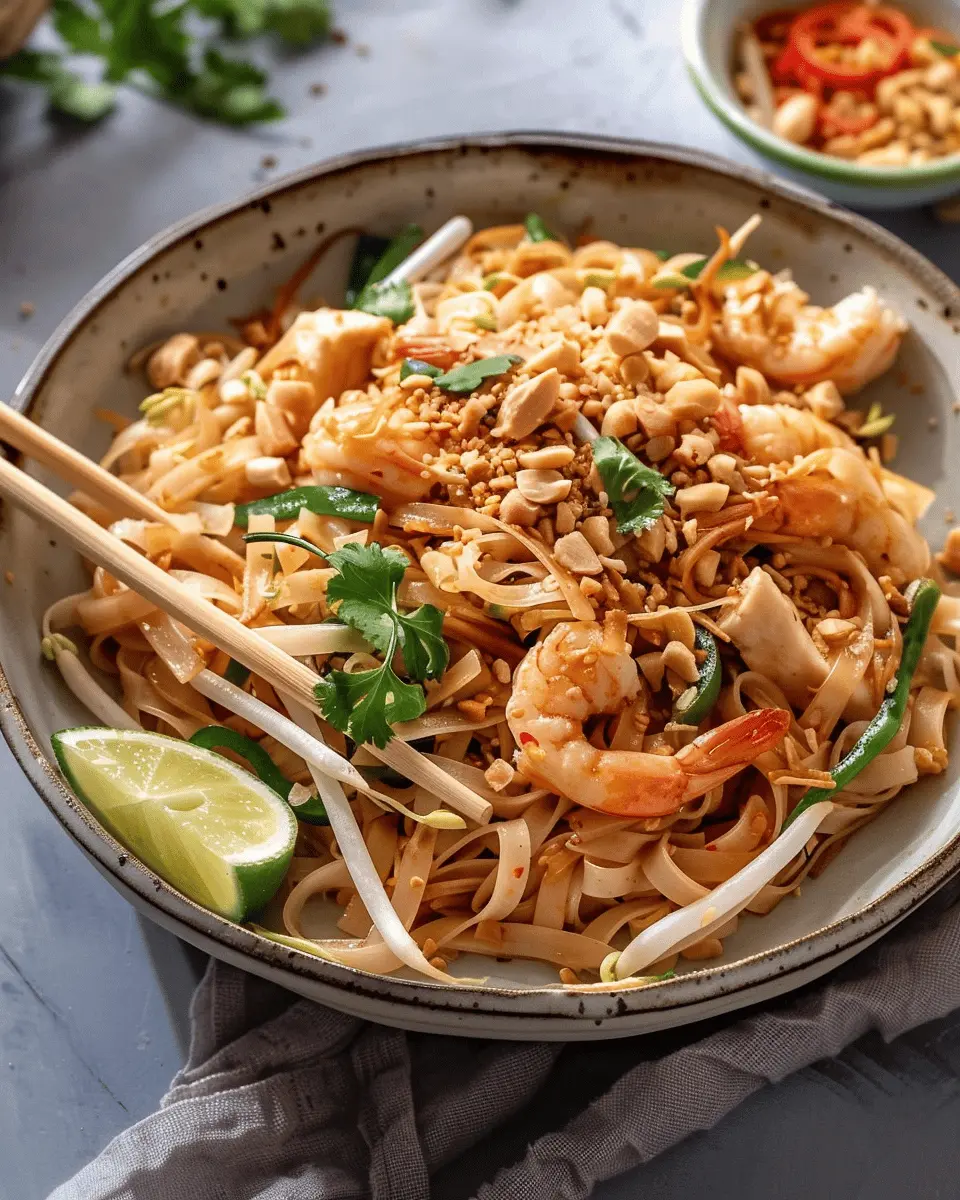
Serving Suggestions for Pad Thai
Pairing with Fresh Salad
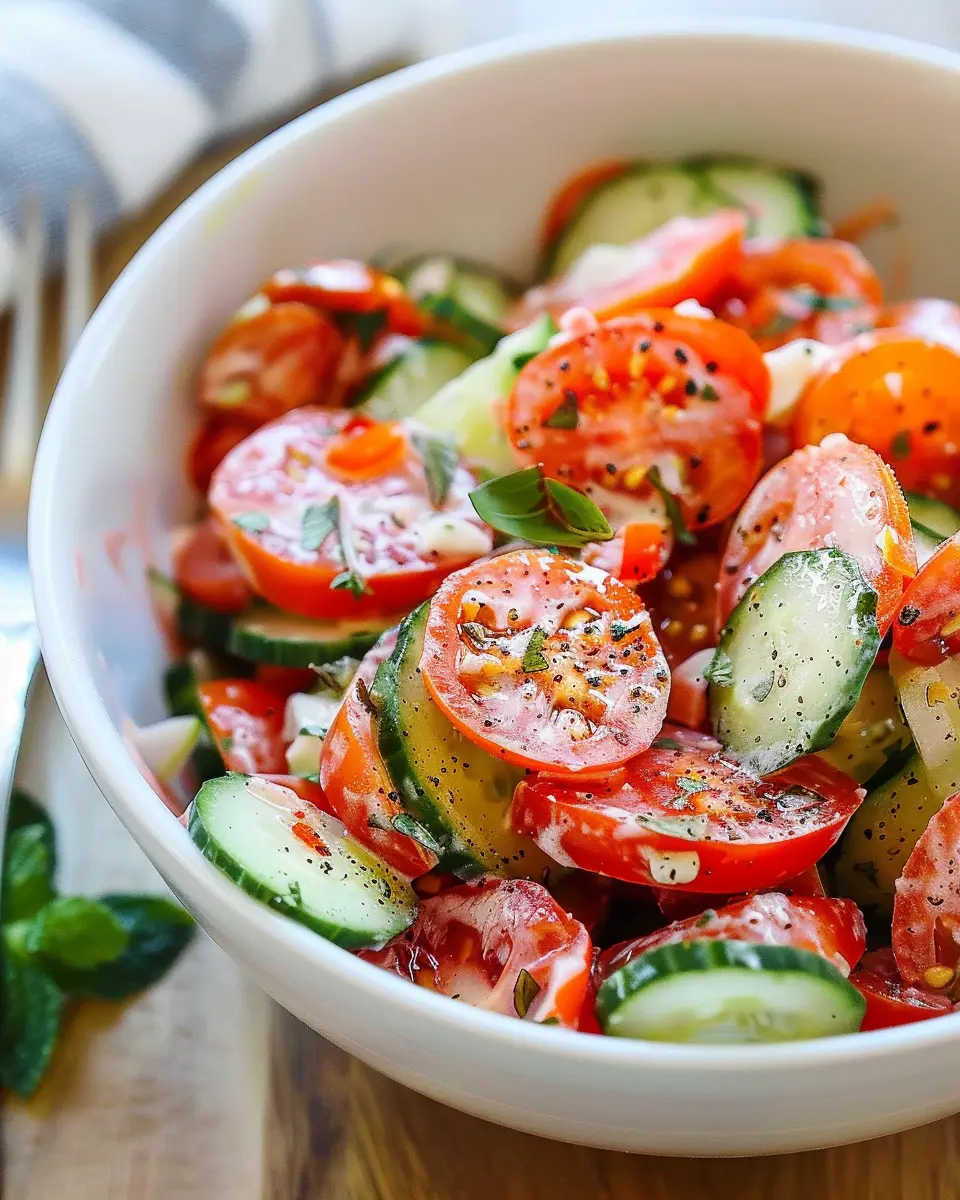
If you want to elevate your Pad Thai experience, consider serving it alongside a refreshing salad. A vibrant Thai cucumber salad or a simple mixed greens salad topped with sesame dressing can add a beautiful crunch and enhance the meal’s overall balance. Not only does this create a colorful plate, but the freshness of the salad complements the savory notes of the Pad Thai, creating a delightful contrast.
You can also add some crushed peanuts or sesame seeds on top for texture, providing a satisfying crunch that ties the meal together. Interested in more salad ideas? Check out this guide on fresh salad pairings.
Beverage Options to Complement Pad Thai
Now, let’s talk beverages. For a casual pairing, try a refreshing iced tea or coconut water, both of which can cut through the richness of the Pad Thai. If you’re in the mood for something a bit more festive, a fruity mocktail made with lime, mint, and soda water can really elevate your dining experience. The zing of citrus will enhance the dish’s signature flavors while keeping things light and enjoyable.
So next time you whip up a plate of Pad Thai, think about enhancing your meal. It’s all about balance and complementing those vibrant flavors!
Time Breakdown for Making Pad Thai
Prep Time
Getting everything ready for your Pad Thai is all about organization. You’ll want to spend about 15–20 minutes prepping ingredients. This includes chopping vegetables, whisking the sauce, and slicing your choice of protein, like turkey bacon or chicken ham. Having everything in place makes the cooking process smoother and more enjoyable.
Cook Time
Now for the fun part! Cooking your Pad Thai will take around 10–15 minutes. Once your pan is hot, toss everything together, and you’ll be enjoying a delicious meal in no time. Just remember to stir-fry quickly to achieve that perfect harmony of flavors and textures.
Total Time
By combining both prep and cook times, you’re looking at about 30–35 minutes from start to finish. It’s a quick and satisfying way to bring the flavors of Thailand right to your kitchen. Want more tips on how to speed up meal prep? Check out resources like Food Network for great hacks!
Nutritional Facts for Pad Thai
Calories and Macronutrients Overview
When you’re diving into a plate of Pad Thai, knowing what you’re eating can enhance your enjoyment. A typical serving contains around 350-450 calories, making it a satisfying option without overindulging. The macronutrients break down as follows:
- Protein: 20-30 grams (great for muscle repair)
- Carbohydrates: 50-70 grams (primary energy source)
- Fats: 10-20 grams (helps with nutrient absorption)
By incorporating elements like Turkey Bacon or Chicken Ham, you can tweak these numbers and keep your meal nutritious.
Vitamins and Minerals in Pad Thai
Pad Thai isn’t just about flavor; it’s also packed with a variety of essential vitamins and minerals. Common ingredients like bean sprouts and peanuts contribute:
- Vitamin C: Supports the immune system
- Magnesium: Aids muscle function and recovery
- Iron: Crucial for oxygen transport in the blood
For an in-depth look at the benefits of these nutrients, check out resources like the Harvard School of Public Health to learn more about how they contribute to your overall health. With these elements, Pad Thai becomes not just a meal, but a flavorful way to nourish your body.
FAQs about Pad Thai
What is the traditional flavor profile of Pad Thai?
Pad Thai is a delightful blend of sweet, sour, and salty flavors that tantalize your taste buds. Traditionally, this iconic Thai dish combines the nuttiness of peanuts, the tartness of tamarind, a hint of fish sauce’s saltiness, and the sweetness from sugar. Adding lime juice and fresh herbs—like coriander—elevates the dish even further. The balance of these flavors is what makes Pad Thai so beloved. If you’re curious about the intricacies of Thai cuisine, you might find resources from Serious Eats helpful for a deeper dive!
Can I make Pad Thai in advance?
Absolutely! Pad Thai can be made in advance, but there are a few tips to keep in mind. The noodles and sauce can be prepared ahead of time, but it’s best to keep them separate until you’re ready to eat. By doing so, you’ll avoid soggy noodles and maintain that perfect texture. When you’re at the stage of throwing everything together, just add any proteins, like chicken ham or Turkey bacon, and sauté them to your liking. Voila! You’ll have a quick meal ready for busy nights.
What are suitable substitutes for tamarind?
If you don’t have tamarind paste on hand, don’t worry! You can use a mixture of equal parts lime juice and brown sugar as a quick alternative. The acidity of lime mimics the sourness of tamarind, while brown sugar adds the necessary sweetness. Another option is to use a combination of apple cider vinegar and honey for a similar tangy sweetness. These substitutes can keep your Pad Thai delicious. Interested in exploring more ingredients? Check out EatingWell for tips on pantry substitutions!
Conclusion on Making Homemade Pad Thai
Why You Should Try Making Pad Thai at Home
Making pad thai at home is an enriching experience that blends creativity and culinary adventure. Not only can you customize your ingredients, but you’ll also know exactly what goes into your dish. Imagine the satisfaction of stirring the perfect sauce and tucking into a bowl of vibrant flavors all from your kitchen!
Cooking pad thai allows flexibility—swap in turkey bacon or chicken ham for different proteins and get experimental with veggies. Plus, it’s a fantastic way to impress friends at dinner parties. According to a study by the Culinary Institute of America, cooking at home can promote healthier eating habits. So, grab those rice noodles and start experimenting; your taste buds will thank you!
PrintPad Thai Made Easy: A Flavorful Twist with Turkey Bacon and Chicken Ham
Discover a delicious and simple version of Pad Thai featuring turkey bacon and chicken ham.
- Prep Time: 15 minutes
- Cook Time: 15 minutes
- Total Time: 30 minutes
- Yield: 4 servings 1x
- Category: Main Course
- Method: Stir-fry
- Cuisine: Thai
- Diet: Gluten-Free
Ingredients
- 8 ounces rice noodles
- 4 slices turkey bacon
- 1 cup chicken ham, diced
- 2 eggs
- 1 cup bean sprouts
- 2 green onions, chopped
- 3 tablespoons soy sauce
- 1 tablespoon fish sauce
- 1 tablespoon lime juice
- 1 tablespoon sugar
- 1/4 cup crushed peanuts
Instructions
- Cook rice noodles according to package instructions.
- In a pan, cook turkey bacon until crispy, then remove and chop.
- In the same pan, add chicken ham and sauté.
- Push to one side, scramble eggs on the other side.
- Add cooked noodles, bean sprouts, green onions, soy sauce, fish sauce, lime juice, and sugar.
- Toss everything together and cook for another 2 minutes.
- Serve topped with crushed peanuts.
Notes
- For a vegetarian option, substitute turkey bacon with tofu.
- Adjust the sauce ingredients to taste.
Nutrition
- Serving Size: 1 plate
- Calories: 450
- Sugar: 5g
- Sodium: 800mg
- Fat: 20g
- Saturated Fat: 5g
- Unsaturated Fat: 15g
- Trans Fat: 0g
- Carbohydrates: 55g
- Fiber: 2g
- Protein: 25g
- Cholesterol: 200mg
Keywords: Pad Thai, turkey bacon, chicken ham