




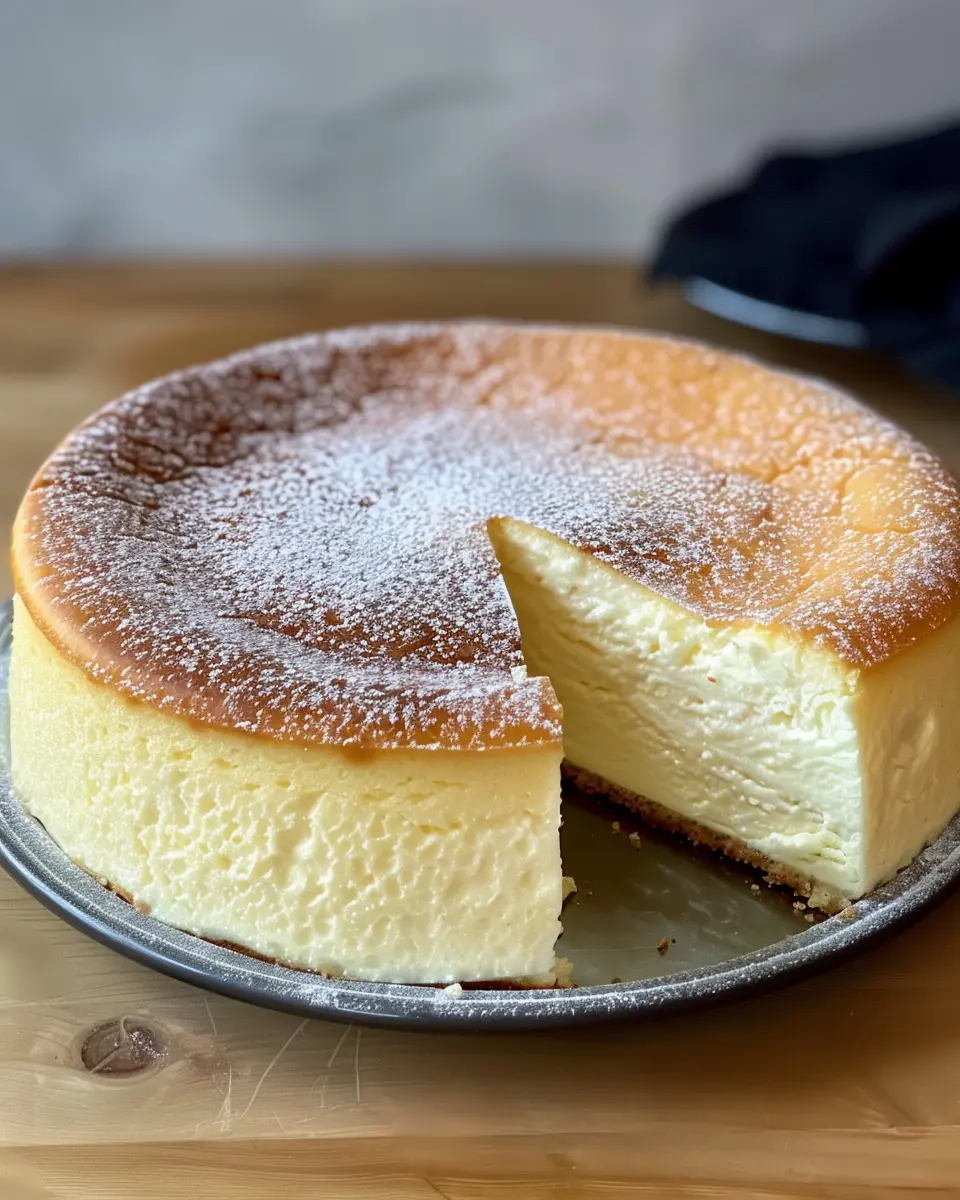
Introduction to Baked Japanese Cheesecake
Baked Japanese cheesecake has taken the dessert world by storm, and it’s easy to see why. This delightful treat combines the best of both worlds: the rich creaminess of traditional cheesecake paired with the light and airy texture reminiscent of chiffon cake. If you’ve ever tried it, you know just how magical the first bite can be. Light as a cloud yet unbelievably satisfying, this cheesecake is like a warm hug on a plate.
Why is Baked Japanese Cheesecake so popular?
One of the key factors contributing to the popularity of baked Japanese cheesecake is its unique texture. Unlike its denser Western counterparts, this cheesecake boasts a fluffy consistency that melts in your mouth. It’s not just a dessert; it’s an experience! Many first-timers find themselves surprised at how a slice can feel so indulgent without being overwhelmingly rich. This makes it a perfect dessert for any occasion, whether you’re enjoying it at a café with friends or serving it at a dinner party.
You might wonder where to experience this magic for yourself. Many cozy cafes in Japan and around the world have adopted this style, often receiving rave reviews. If you’re keen to dive deeper into its origins, you might enjoy reading about the cultural journey of Japanese cuisine over at Nippon.com. With influences from French baking techniques, the essence of baked Japanese cheesecake has evolved into something that feels both familiar and exotic.
Another reason for its rising fame is the burgeoning community of home bakers. Social media platforms like Instagram and TikTok are filled with stories of amateur chefs mastering this delicate dessert. The process may seem challenging, but the satisfaction of pulling a perfectly baked cheesecake out of the oven is truly rewarding. Plus, there’s a sense of accomplishment that comes with serving a homemade dessert that looks as good as it tastes—talk about a conversation starter!
In summary, baked Japanese cheesecake offers a light yet indulgent treat that appeals to all types of dessert lovers. Whether it’s the texture, the taste, or the joy of making it, this cheesecake definitely deserves a spot in your baking repertoire. Ready to learn how to make it? Let’s get started!
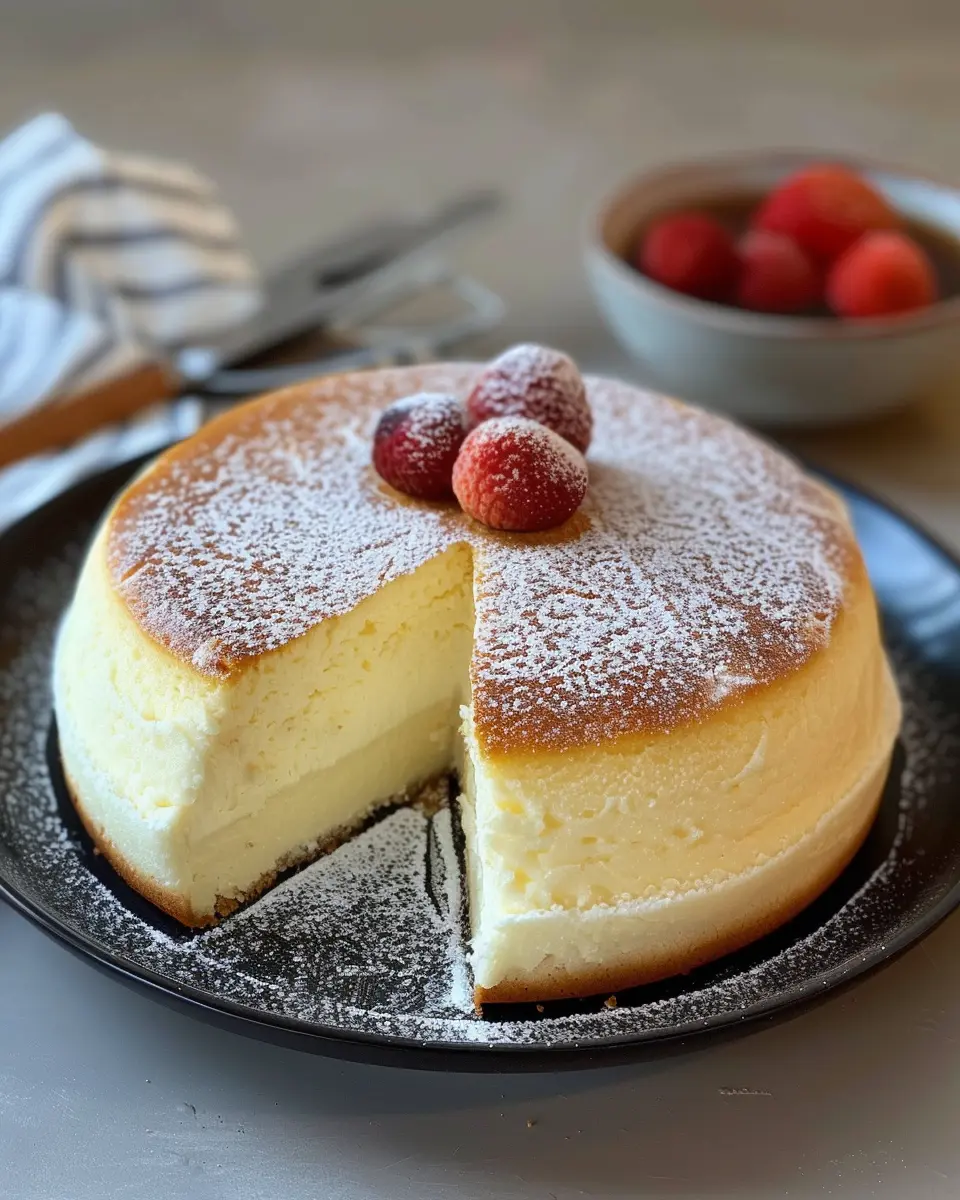
Ingredients for Baked Japanese Cheesecake
When it comes to creating the perfect baked Japanese cheesecake, having the right ingredients is crucial. Let’s dive into the essentials that will ensure your cheesecake turns out light, fluffy, and irresistibly delicious!
Essential ingredients for the perfect cheesecake
To whip up a delightful baked Japanese cheesecake, you’ll need:
- Cream Cheese: The star of the show! Opt for a classic, full-fat cream cheese for that rich flavor.
- Eggs: They provide structure and contribute to the airy texture. Don’t skimp on quality!
- Granulated Sugar: A sweet touch to balance the tanginess of the cheese.
- Heavy Cream: Adds moisture and a velvety mouthfeel.
- Cake Flour: Keeps the cheesecake light and avoids density.
- Lemon Juice: A splash highlights the flavors and adds brightness.
Optional ingredients for added flavor
Want to elevate your baked Japanese cheesecake experience? Here are a few optional add-ins:
- Vanilla Extract: For a warm and inviting aroma.
- Matcha Powder: Perfect for a unique twist—who doesn’t love a pop of green tea?
- Fruit Purees: Incorporate your favorite fruit for a refreshing zing.
With these ingredients in hand, you’re on your way to crafting a memorable cheesecake that could impress anyone at your next gathering! For more tips on incorporating flavors, check out the guide on Flavored Cheesecakes that explores creative ingredient combinations. Happy baking!
Preparing Baked Japanese Cheesecake
Baked Japanese cheesecake is a unique delight that beautifully balances creamy texture with a fluffy, soufflé-like lightness. If you’re ready to experience a culinary adventure that feels like a gentle hug on the palate, then let’s get started! This guide will walk you through the essential steps, ensuring your cheesecake turns out perfectly every time.
Separating the eggs
The first step in making your baked Japanese cheesecake is to separate your eggs. Fresh ingredients can make a noticeable difference, so grab quality eggs at the store. Here’s how to do it right:
- Crack the eggs: Start by cracking each egg gently into a bowl.
- Separate the whites and yolks: Use your hands or egg separators to keep yolks intact while the whites slip into a different bowl.
- Tip: Give yourself some room for error—if you drop a yolk into the whites, it could inhibit them from whipping up properly later on.
The egg yolks will be part of the cake batter, while the egg whites will be whipped into gorgeous, fluffy peaks.
Creating the cake batter
Now that your eggs are separated, it’s time to whip up a creamy cake batter that forms the base of your baked Japanese cheesecake. Here’s how to do it:
- Blend the cream cheese and butter: In a mixing bowl, beat together softened cream cheese and butter until it’s a smooth, shiny mixture. This is the heart of your cheesecake and will provide that rich, indulgent flavor we all love.
- Add sugar: Gradually mix in granulated sugar and continue beating until well combined.
- Incorporate egg yolks: Add the separated egg yolks one at a time, blending thoroughly after each addition.
- Mix in the dry ingredients: Sift in cake flour and cornstarch, then fold everything together gently until it’s just mixed. This batter should be silky and luscious, a fitting base for your cheesecake.
Beating the egg whites to stiff peaks
Next, let’s whip those egg whites into stiff peaks. This step is crucial because whipped egg whites provide the airy texture that distinguishes Japanese cheesecake from others.
- Use clean tools: Make sure your mixing bowl and whisk are completely free of grease or fat. Any residue can prevent your egg whites from achieving the desired volume.
- Whip vigorously: Start on a low speed to break up the egg whites, then increase to medium-high once bubbles begin to form. Once foamy, add a pinch of cream of tartar or lemon juice to stabilize.
- Watch for stiff peaks: Beat until the whites form stiff peaks — this means that when you lift the whisk out, the peaks stand tall without drooping.
Combining the mixtures
With your batter and whipped egg whites ready, it’s time to combine them into one heavenly concoction.
- Fold gently: Add a third of the egg white mixture to the batter and fold carefully to lighten it. The goal is to maintain the airiness you’ve created in the whites.
- Incorporate remaining whites: Slowly fold in the rest of the egg whites, being cautious not to deflate them. You want to keep that light texture intact.
It’s this combination that gives the baked Japanese cheesecake its signature fluffiness, so take your time with this step.
Baking in a bain-marie
The final step is to bake your cheesecake, and using a bain-marie is key to achieving that perfect, moist finish.
- Prepare the baking pan: Place your batter in a springform pan. Wrap the bottom with aluminum foil to prevent water from seeping in.
- Create the bain-marie: Place the springform pan in a larger pan filled with hot water. This gentle steam helps the cheesecake bake evenly.
- Bake: Pop the setup in a preheated oven and watch as the cheesecake blooms beautifully, turning golden on top.
Once baked, let the cheesecake cool gradually in the oven before transferring it to the fridge to set. The chilling process transforms your creation into a light and fluffy masterpiece that’s ready to impress at any gathering.
Baking baked Japanese cheesecake is not just about checking boxes; it’s about enjoying each step along the way, sharing stories, and savoring a delightful result. Happy baking!
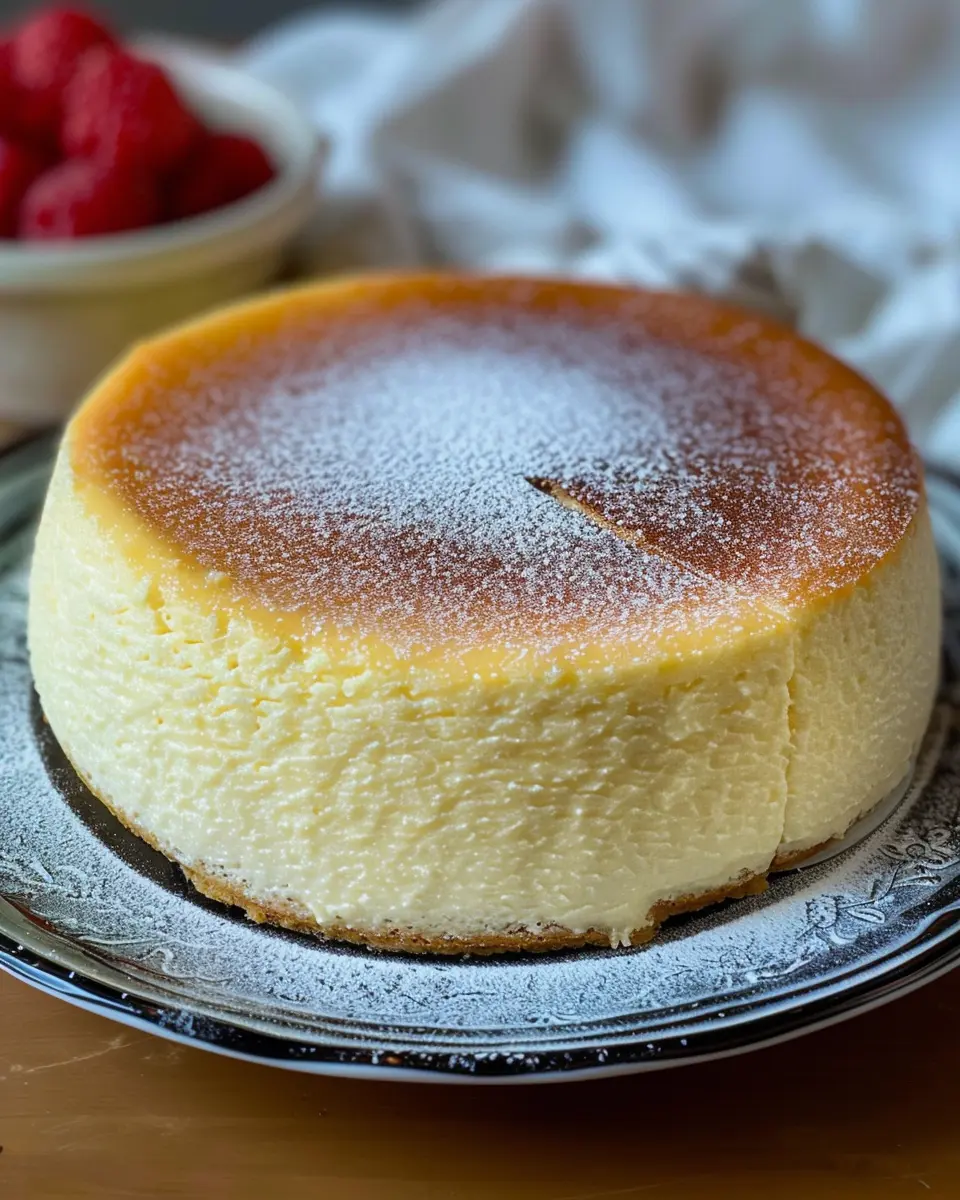
Variations on Baked Japanese Cheesecake
Baked Japanese cheesecake is delightful as it is, but don’t hesitate to explore variations that can elevate your dessert game! Let’s dive into two enticing flavors that will leave your guests impressed.
Matcha-flavored Japanese Cheesecake
If you’re a fan of matcha, you’ll love the earthy richness it brings to this dessert. To create a matcha-flavored Japanese cheesecake, simply incorporate quality matcha powder into your batter. Here’s how:
- Use 2–3 tablespoons of matcha powder, whisked with the cream cheese until smooth.
- Adjust sugar based on your taste preference since matcha can be slightly bitter.
- Top it off with a dusting of matcha for a sophisticated finish.
This variation not only looks stunning but also offers a unique flavor profile. It pairs perfectly with a cup of green tea for a refreshing experience.
For more on the health benefits of matcha, check out this informative article from Healthline.
Chocolate Japanese Cheesecake
For all the chocolate lovers out there, a chocolate Japanese cheesecake will bring joy to your baking endeavors. Infusing chocolate into the classic recipe is simple:
- Melt 100 grams of dark chocolate and fold it into your batter for a rich taste.
- Consider using powdered cocoa, about ¼ cup, to intensify the flavor and give your cheesecake a beautifully creamy texture.
- Garnish with chocolate shavings or a drizzle of melted chocolate for flair.
This variation is sure to satisfy any chocolate craving and can be a delightful ending to a dinner party.
Mixing these flavors into your baked Japanese cheesecake will transform the traditional recipe into something extraordinary. Happy baking!
Baking notes for Baked Japanese Cheesecake
Tips for achieving the perfect texture
To create a baked Japanese cheesecake that’s light and fluffy, it’s all about the technique! First, ensure you whip the egg whites to stiff peaks — this will give your cheesecake the airy structure that’s key to its signature texture. Remember to fold them gently into the cream cheese mixture to avoid deflating the air you’ve just incorporated. Additionally, use a water bath during baking; this helps maintain moisture and prevents cracks.
Common mistakes to avoid
When making your baked Japanese cheesecake, steer clear of these common pitfalls:
- Overmixing: Always fold, don’t beat. Overmixing can lead to a denser cake.
- Skipping the water bath: This step is crucial for that creamy texture; a dry oven won’t give you the luscious result you’re aiming for.
- Cooling too quickly: Let the cheesecake cool gradually in the oven with the door ajar; this avoids sudden temperature changes, which can cause cracks.
For more tips on perfecting your baking techniques, check out resources from The Baking Guy or Serious Eats. Happy baking!
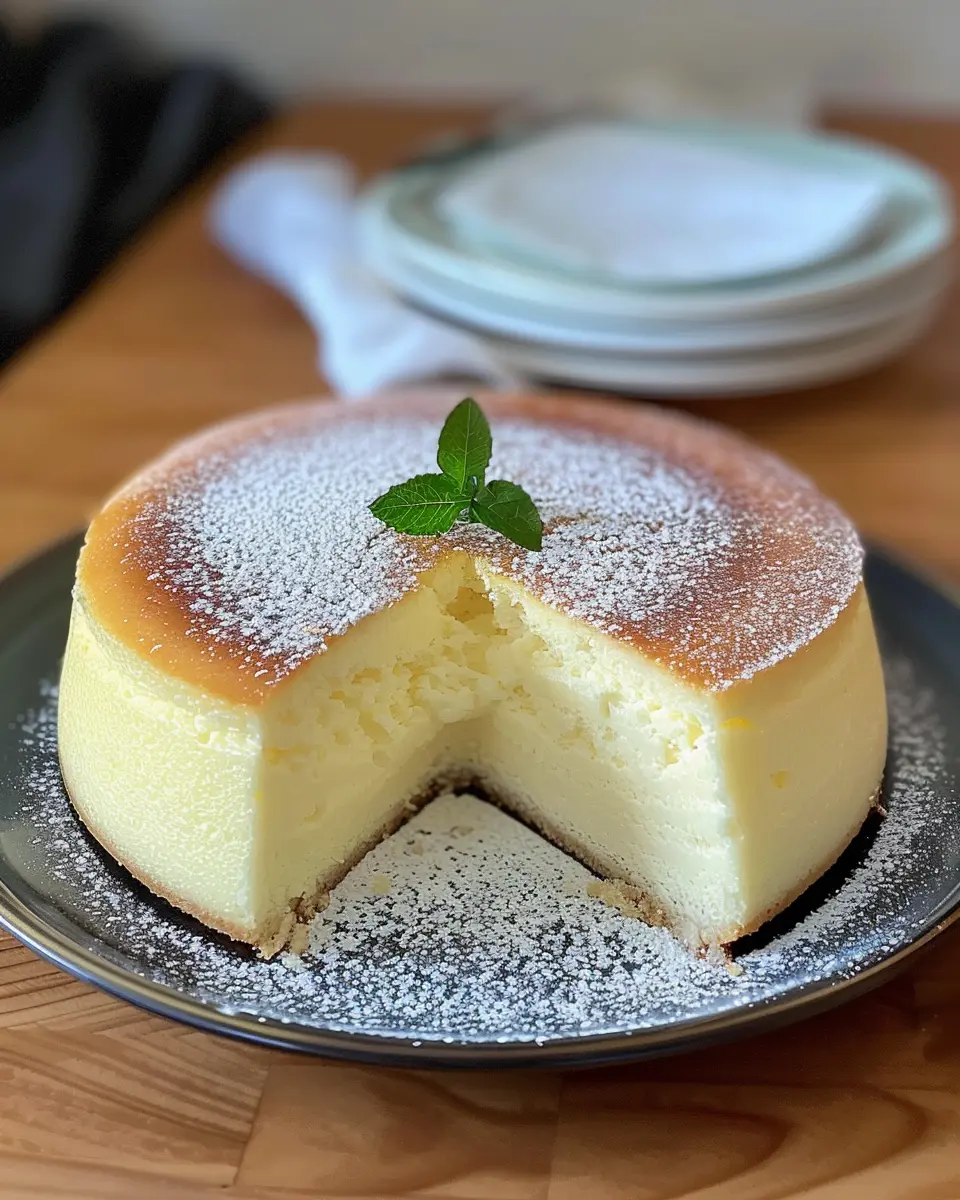
Serving Suggestions for Baked Japanese Cheesecake
When it comes to baked Japanese cheesecake, the way you present and serve it can elevate the whole experience. Here are some delightful ideas to make your cheesecake the star of the show.
Ideal Accompaniments
Pair your cheesecake with options that complement its light texture and subtle sweetness. Consider:
- Fresh Berries: Strawberries, blueberries, or raspberries add a burst of flavor and a stunning visual contrast.
- Whipped Cream: A dollop of lightly sweetened whipped cream can enhance the creaminess of the cheesecake.
- Matcha Powder: A sprinkle of matcha infuses a unique earthiness, balancing the sweetness beautifully.
Presentation Ideas
Your baked Japanese cheesecake deserves a stunning presentation. Try these creative touches:
- Plate it Beautifully: Use a round serving plate to emphasize the cheesecake’s height. Surround it with berry coulis for a colorful border.
- Garnish with Mint: A few fresh mint leaves can refresh the palate and add an elegant touch.
- Serve with Tea: The delicate flavors of green tea or a soothing herbal blend complement the cheesecake’s richness perfectly.
For more serving inspiration, visit BBC Good Food to explore even more pairing options. Enjoy your cheesecake adventure!
Tips for Making the Perfect Baked Japanese Cheesecake
Temperature Control During Baking
Baking the perfect Japanese cheesecake is all about mastering temperature. Ideally, your oven should be preheated to 320°F (160°C). Why so low? This gentle heat allows the cheesecake to rise beautifully without cracking. It’s crucial to avoid opening the oven door too soon, as fluctuations can affect your cake’s final texture. If possible, use an oven thermometer to ensure accuracy. And for that dreamy, airy structure, consider placing a pan of hot water at the bottom of the oven. This creates a steamy atmosphere that keeps the cheesecake moist throughout the baking process.
Proper Cooling Techniques
Achieving the right texture in a baked Japanese cheesecake also relies heavily on how you cool it. After baking, resist the urge to dive in right away. Let the cake cool in the pan for about 10-15 minutes. Then, carefully turn it out onto a wire rack. This step not only helps maintain the cheesecake’s shape but also prevents moisture from accumulating, which can lead to a soggy base. If you want it chilled, wrap the cooled cheesecake and let it sit in the fridge for at least a few hours — overnight for the best results.
Remember, patience is your friend in this baking adventure! For more insights on baking techniques, consider checking out resources from King Arthur Baking or Serious Eats.
Time details for Baked Japanese Cheesecake
Preparation time
Creating a delightful baked Japanese cheesecake starts with a little prep. You’ll need about 20 minutes to gather your ingredients and mix them to perfection. Don’t rush this step—ensure each element is measured precisely for that iconic fluffy texture.
Baking time
Once your batter is ready, it’s time to bake! Allow 60 minutes in the oven. While it bakes, the delightful aroma will fill your space, tempting your taste buds in anticipation.
Total time
In total, plan for about 1 hour and 20 minutes from start to finish, plus cooling time. After baking, let it cool in the pan for at least 30 minutes. For the best flavor, I recommend refrigerating your cheesecake for a few hours or even overnight. Trust me; it’s worth the wait!
If you’re curious about baking techniques or tips, you might find The Kitchn’s guide on cheesecakes helpful! Happy baking!
Nutritional information for Baked Japanese Cheesecake
If you’re curious about the nutritional benefits of baked Japanese cheesecake, you’re in for a delightful surprise! This light and fluffy dessert not only satisfies your sweet tooth but also packs a nutritious punch.
Calories
A standard slice of baked Japanese cheesecake contains approximately 250 calories. This may vary based on portion size and ingredients, so it’s always good to keep that in mind if you’re watching your calorie intake.
Protein
One of the better aspects of this cheesecake is its protein content. A serving typically provides around 7 grams of protein, making it a more balanced option compared to other desserts. Incorporating protein can help in muscle repair and make you feel fuller longer!
Carbohydrates
In terms of carbohydrates, expect about 20 grams per slice. While it’s not carb-heavy like many traditional cakes, this dessert remains a guilty pleasure worth indulging in occasionally. Understanding carbohydrate content can help manage your diet if you’re keeping an eye on your macros.
Feel free to further explore nutritious dessert options by checking out sources like the USDA or Harvard Health Nutrition Basics for more insights on maintaining a balanced diet! Enjoy your baking adventure!
FAQs about Baked Japanese Cheesecake
What can I do if my cheesecake cracks?
Ah, the dreaded crack! If your baked Japanese cheesecake develops a fissure, don’t despair—it happens to the best of us. Here are a few tips to minimize and fix this issue:
- Slow Cooling: After baking, turn off the oven and keep the door slightly ajar to allow gradual cooling. A sudden temperature drop can cause cracks.
- Water Bath: Next time, try baking it in a water bath to maintain a consistent temperature throughout the baking process. This extra moisture helps in achieving a smooth surface.
- Cover It: If a crack does develop, consider covering it with a light dusting of powdered sugar or a layer of whipped cream to mask the imperfection!
For more in-depth solutions, check out resources like King Arthur Baking.
How should I store leftover cheesecake?
Storing your baked Japanese cheesecake properly ensures it stays fresh and delicious. Here’s how to do it:
- Refrigerate: Wrap the cheesecake in plastic wrap or place it in an airtight container. It will stay fresh for up to 3-4 days in the refrigerator.
- Freeze: If you want to keep it longer, slice it into individual portions, wrap them tightly, and freeze. Thaw in the fridge before serving for the best texture.
Can I make Japanese cheesecake in advance?
Absolutely! Making your baked Japanese cheesecake in advance can be a big time-saver. Prepare it a day or two before your event for the best flavor, as chilling allows the flavors to meld beautifully. Just follow proper storage techniques to keep it fresh. Your guests will love the light and fluffy texture when served chilled!
If you’re looking for additional storage insights, check out the National Center for Home Food Preservation, which provides expert tips on keeping your baked goodies fresh.
Conclusion on Baked Japanese Cheesecake
In closing, making a baked Japanese cheesecake is not just a culinary task; it’s a delightful experience full of anticipation and reward. When you slice into its airy, fluffy texture, you’re reminded of the magic behind each ingredient that melds to create this unique dessert.
Why not elevate your dessert game with this light and creamy creation for your next gathering? It pairs beautifully with fresh fruits or a drizzle of chocolate sauce, making it versatile for any occasion. Plus, a baked Japanese cheesecake is sure to impress your friends and family, leaving them curious about your secret recipe!
Feel free to explore more about cheesecakes on culinary sites like Serious Eats or Bon Appétit for tips and variations. Happy baking!
PrintBaked Japanese Cheesecake: Easy Indulgence for Home Cooks
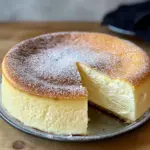
Baked Japanese Cheesecake is a delightful dessert that combines the richness of cream cheese with the lightness of a soufflé, creating a melt-in-your-mouth experience.
- Prep Time: 20 minutes
- Cook Time: 60 minutes
- Total Time: 4 hours 20 minutes
- Yield: 8 servings 1x
- Category: Dessert
- Method: Baking
- Cuisine: Japanese
- Diet: Vegetarian
Ingredients
- 8 ounces cream cheese
- 1 cup granulated sugar
- 1/4 cup milk
- 1/4 cup unsalted butter
- 3 large eggs
- 1/4 cup all-purpose flour
- 1 teaspoon vanilla extract
- 1/2 teaspoon lemon zest
Instructions
- Preheat the oven to 320°F (160°C).
- In a mixing bowl, blend cream cheese until smooth.
- Add sugar, milk, and melted butter, then mix well.
- Incorporate eggs one at a time, mixing well after each addition.
- Mix in flour, vanilla extract, and lemon zest until just combined.
- Pour the batter into a prepared baking pan.
- Bake for 60 minutes or until set and lightly browned.
- Cool the cheesecake in the oven with the door ajar for one hour.
- Chill in the refrigerator for at least four hours before serving.
Notes
- Use room temperature ingredients for a smoother batter.
- Serve with a dusting of powdered sugar or fresh fruit.
Nutrition
- Serving Size: 1 slice
- Calories: 300
- Sugar: 20 grams
- Sodium: 300 milligrams
- Fat: 18 grams
- Saturated Fat: 11 grams
- Unsaturated Fat: 4 grams
- Trans Fat: 0 grams
- Carbohydrates: 25 grams
- Fiber: 0 grams
- Protein: 6 grams
- Cholesterol: 100 milligrams
Keywords: Baked Japanese Cheesecake, cheesecake, dessert, easy cheesecake recipe